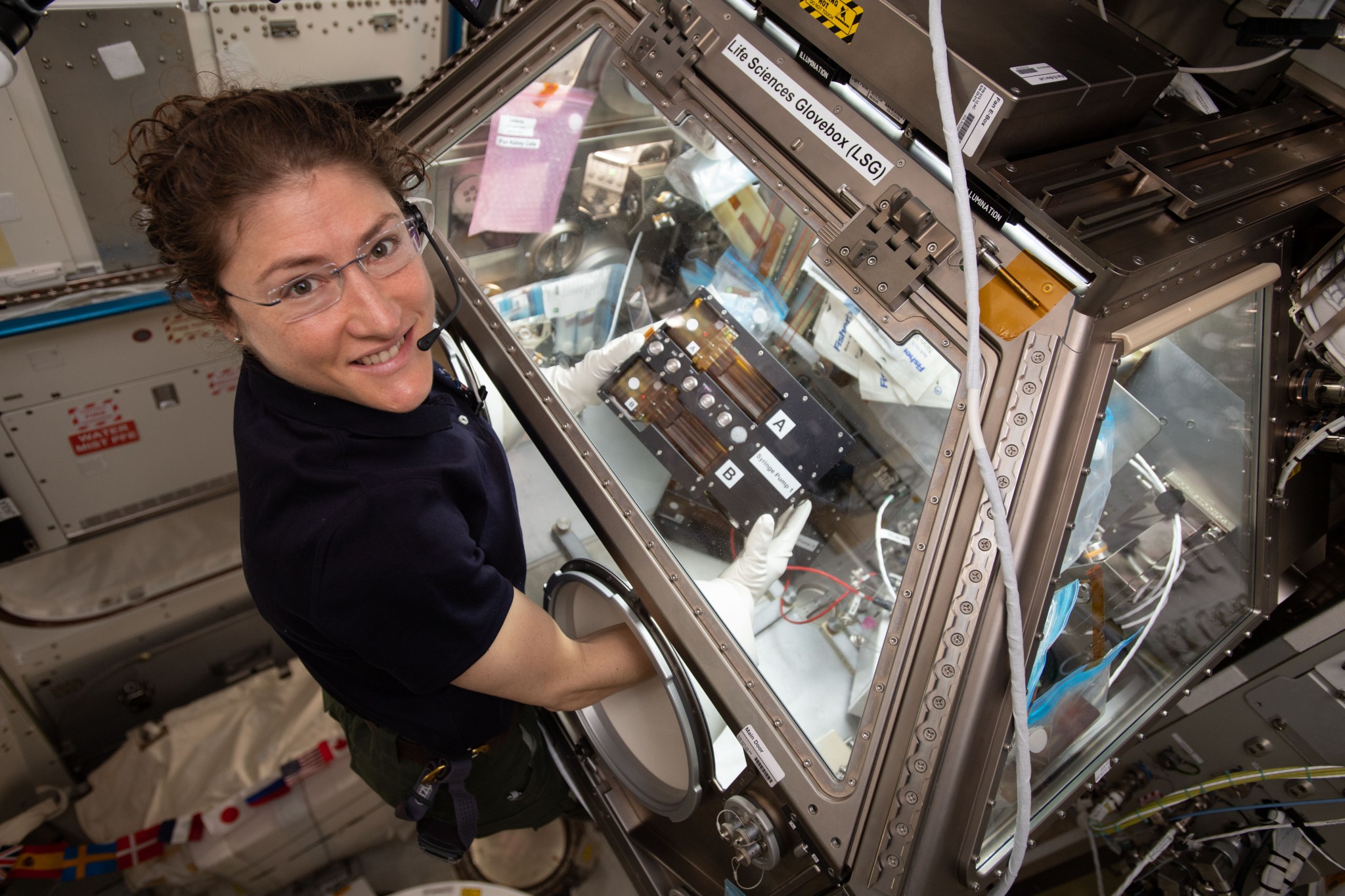
Station Science Top News: August 2, 2024Analyses suggest that microgravity does not significantly alter fundamental biochemical pathways in kidney cells, including metabolism of vitamin D. This finding could help researchers develop strategies to protect crew health on future missions and improve treatment of kidney-related diseases on Earth. Kidney Cell examined the effects of microgravity and other factors of space travel on kidney health. Previous […]
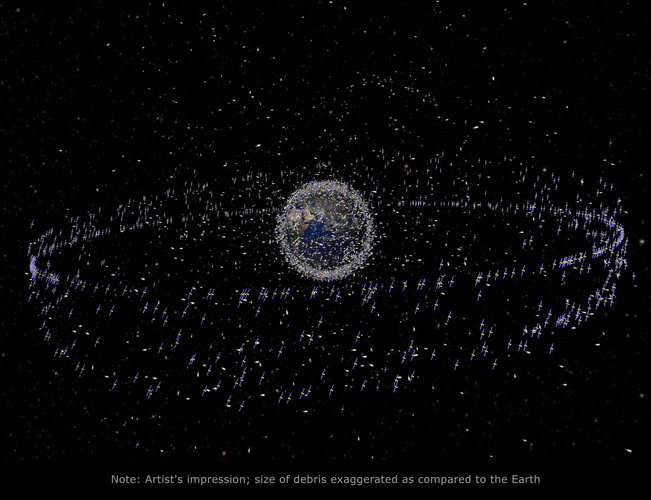
Knowledge beyond our planet: space-based data centresSpace is changing, and the number of actors operating in orbit is increasing. Meanwhile, the amount of data collected by satellites is increasing as well. This data-treasure is priceless, supporting human and robotic exploration of space, helping us to take care of our planet as well as to unveil the most distant secrets of the Universe. However, one of the main challenges of nowadays space activities is downloading data from space to Earth. IBM and KP Labs together with ESA is forecasting the future of technology by imagining space-based data centres.
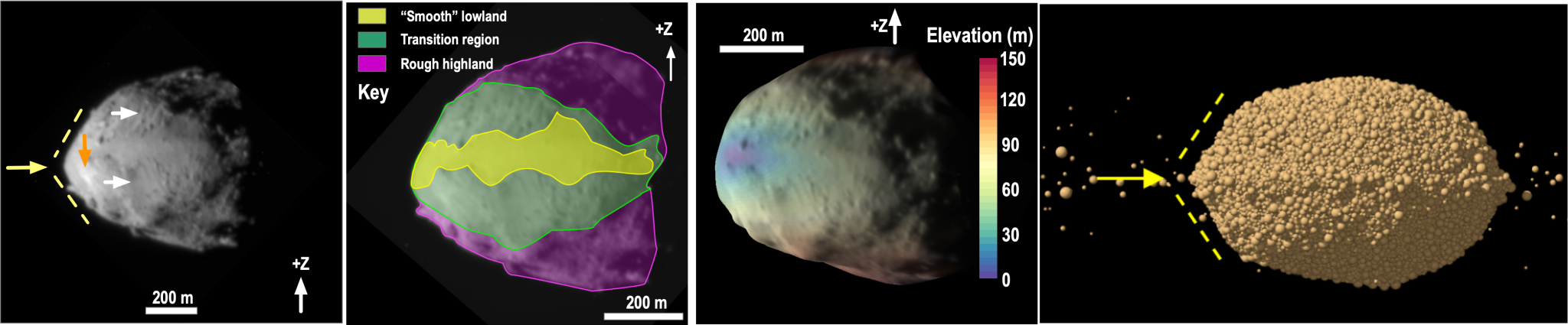
Using data from DART’s impact, scientists investigate characteristics of Dimorphos and DidymosIn September 2022, NASA’s Double Asteroid Redirection Test (DART) mission successfully slammed into the side of asteroid moonlet Dimorphos. Initial data from the event indicated that DART had successfully altered the orbit of Dimorphos and achieved its primary mission goal — to assess how much a spacecraft could deflect an asteroid through a transfer of momentum.
Foust Forward: Mind the launch gapAt the Farnborough International Airshow six years ago, the United Kingdom made a major push to become a launch country. The U.K. Space Agency endorsed the development of Sutherland Spaceport, […]
China launches second secretive high orbit internet satellitePRESTON, United Kingdom — China launched the second of a new series of geostationary communications satellites Thursday, though its purposes remain unclear. A Long March 3B rocket lifted off at […]
Pentagon advisory panel urges integration of commercial space tech for military useDefense Science Board report: DoD should accelerate adoption of commercial space technologies
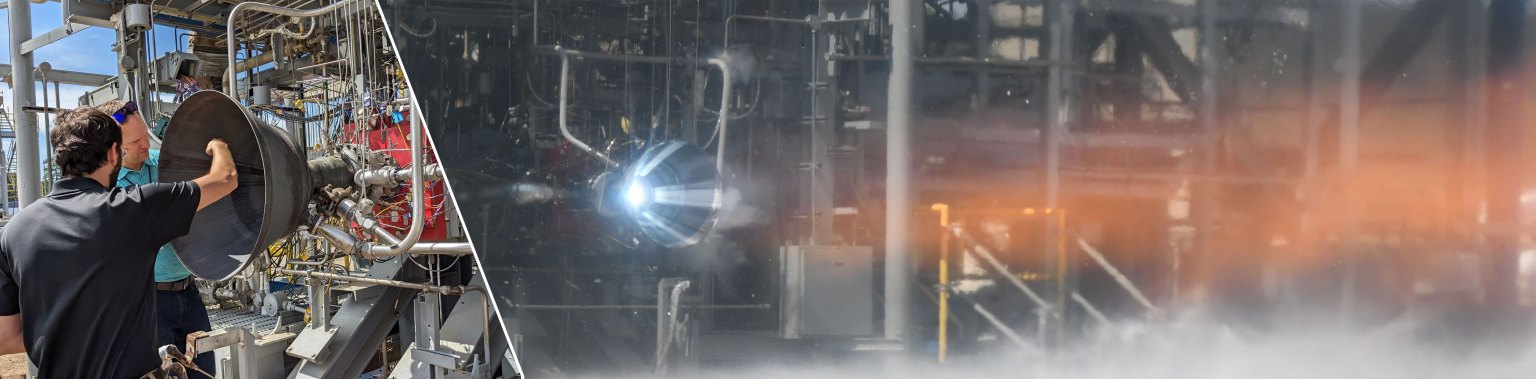
NASA Additive Manufacturing Project Shapes Future for Agency, Industry Rocket MakersThe widespread commercial adoption of additive manufacturing technologies, commonly known as 3D printing, is no surprise to design engineers at NASA’s Marshall Space Flight Center in Huntsville, Alabama whose research created stronger, lighter weight materials and new manufacturing processes to make rocket parts. NASA’s RAMPT (Rapid Analysis and Manufacturing Propulsion Technology) project is on the […]
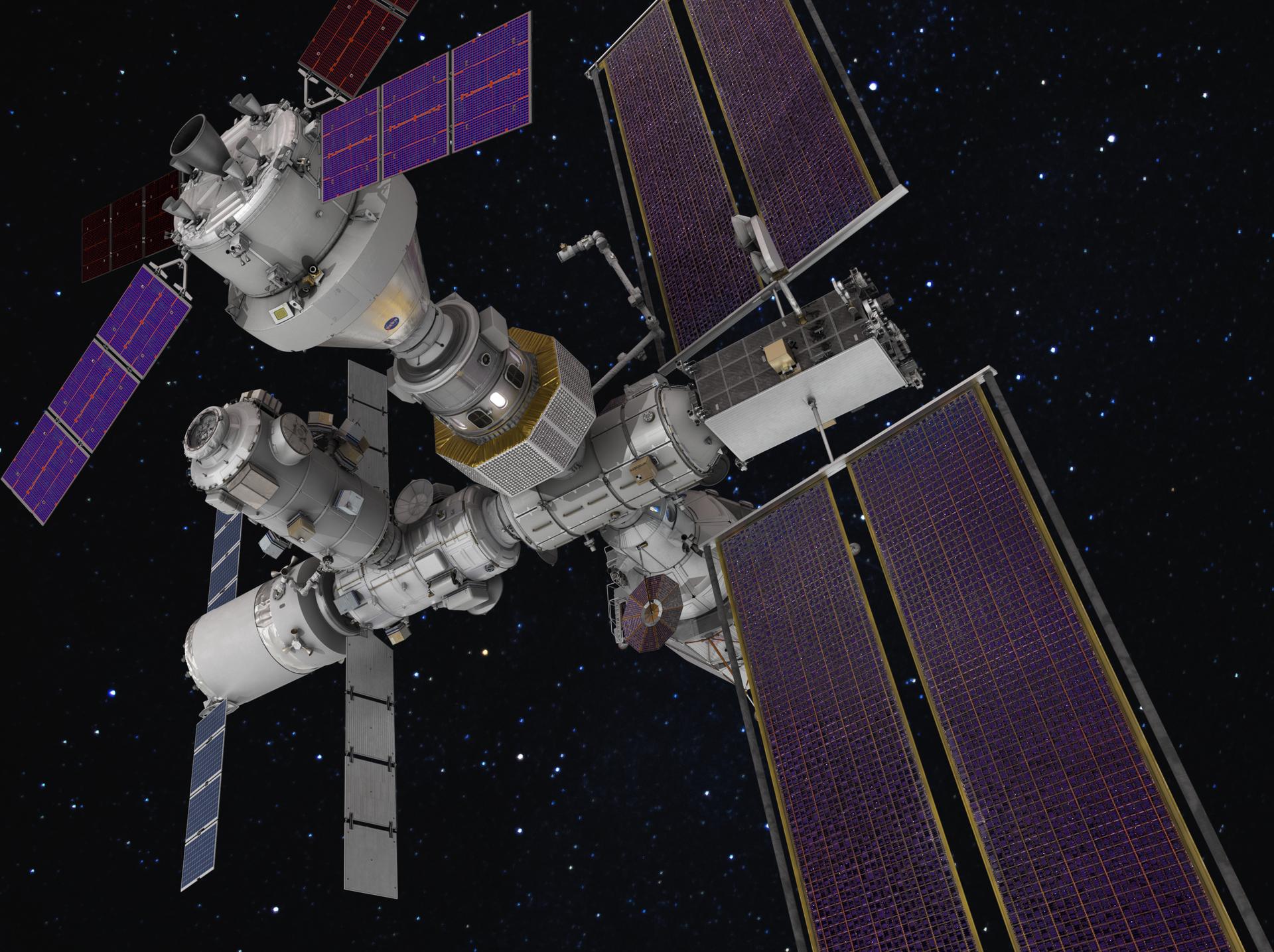
Chinese scientists outline major cislunar space infrastructure projectPRESTON, United Kingdom — Chinese scientists are proposing cislunar space infrastructure to support lunar exploration, enhance the nation’s space industry and promote international collaboration. The proposed infrastructure includes a comprehensive […]
NASA’s DART Mission Sheds New Light on Target Binary Asteroid SystemIn studying data collected from NASA’s DART (Double Asteroid Redirection Test) mission, which in 2022 sent a spacecraft to intentionally collide with the asteroid moonlet Dimorphos, the mission’s science team has discovered new information on the origins of the target binary asteroid system and why the DART spacecraft was so effective in shifting Dimorphos’ orbit. In five recently […]
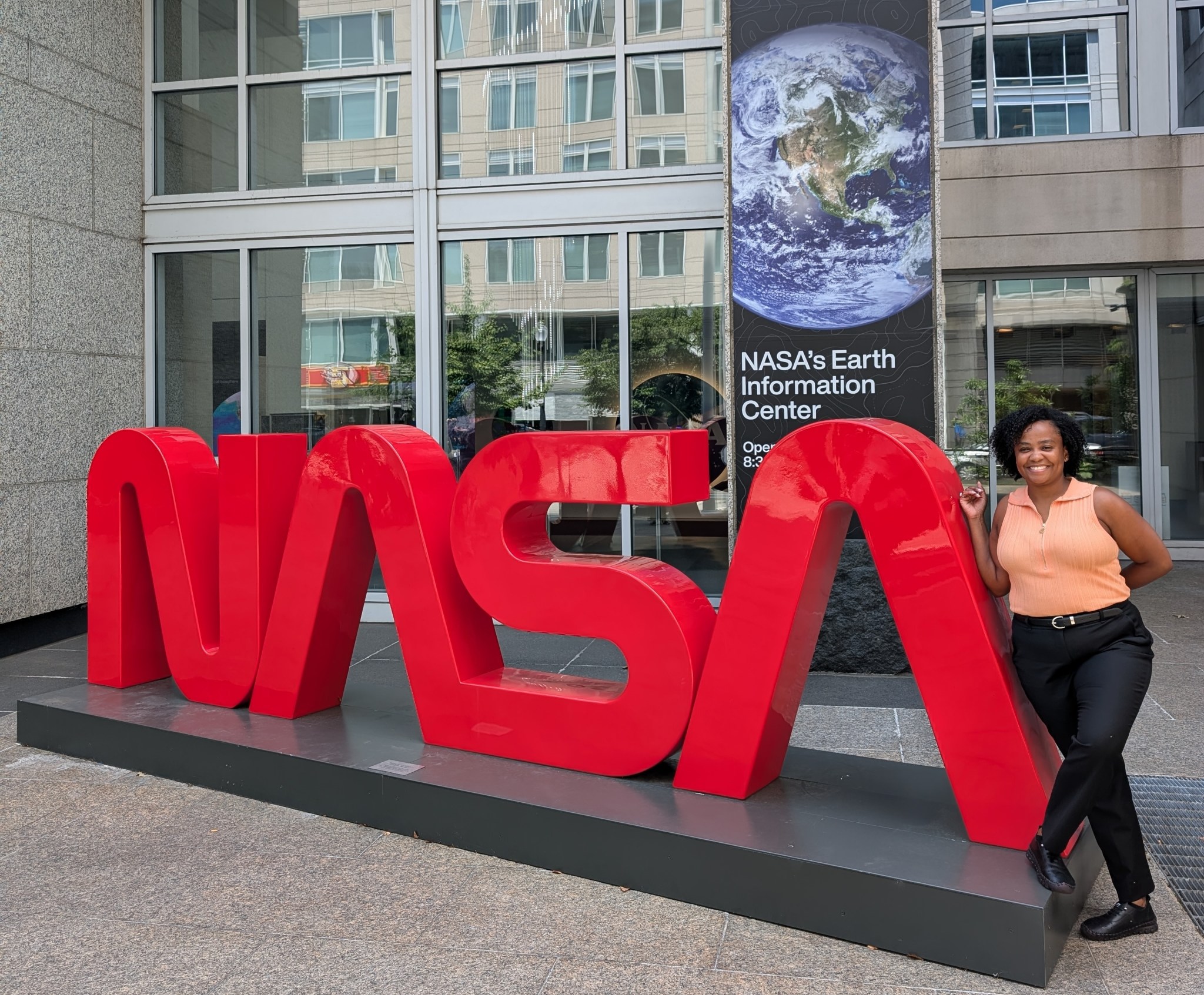
Meet NASA Interns Shaping Future of Open ScienceStudents at NASA’s Office of the Chief Science Data Officer (OCSDO) are working to promote open science during the summer 2024 internship session. Their projects fall across a variety of areas, including user experience, policy, and DEIA (Diversity, Equity, Inclusion, and Accessibility). Lena Young: Increasing DEIA Engagement Lena Young, a doctoral candidate in the Creative […]
From Concordia to the MoonConcordia is a research station in Antarctica that places you farther away from humankind than even the International Space Station. Every year, ESA sponsors a medical doctor to spend a year, or "winterover," at Concordia station. This year, our medical doctor is Jessica Kehala Studer, who is seen in this picture gazing at the Moon and the vast expanse of Antarctica. Around May, the Sun dips below the horizon for the last time, and the crew experiences four months of total darkness, with temperatures dropping to –80°C in winter.
Tech Today: Space Age Swimsuit Reduces Drag, Breaks RecordsSpeedoUSA, asked NASA’s Langley Research Center to help design a swimsuit with reduced surface drag.
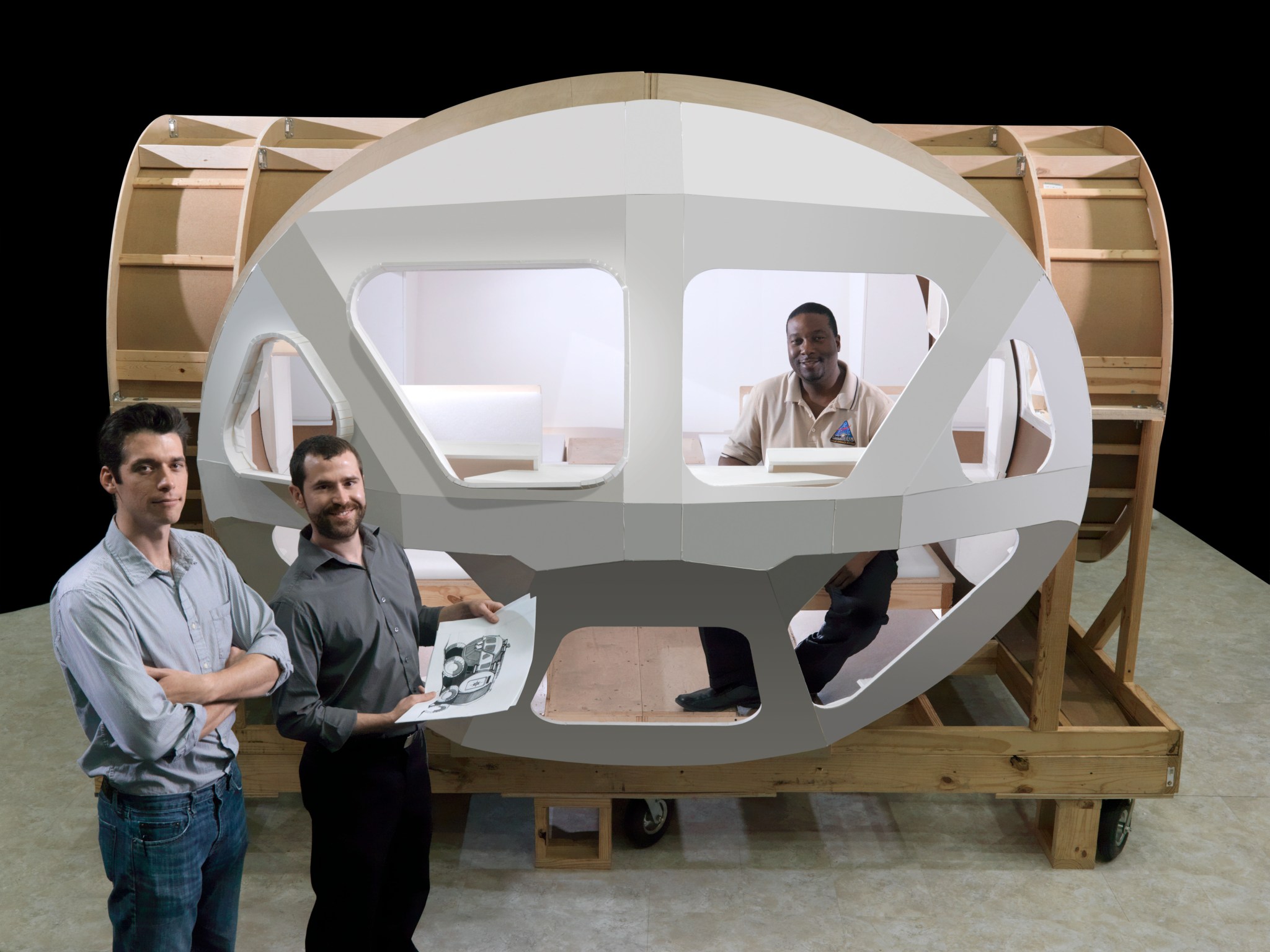
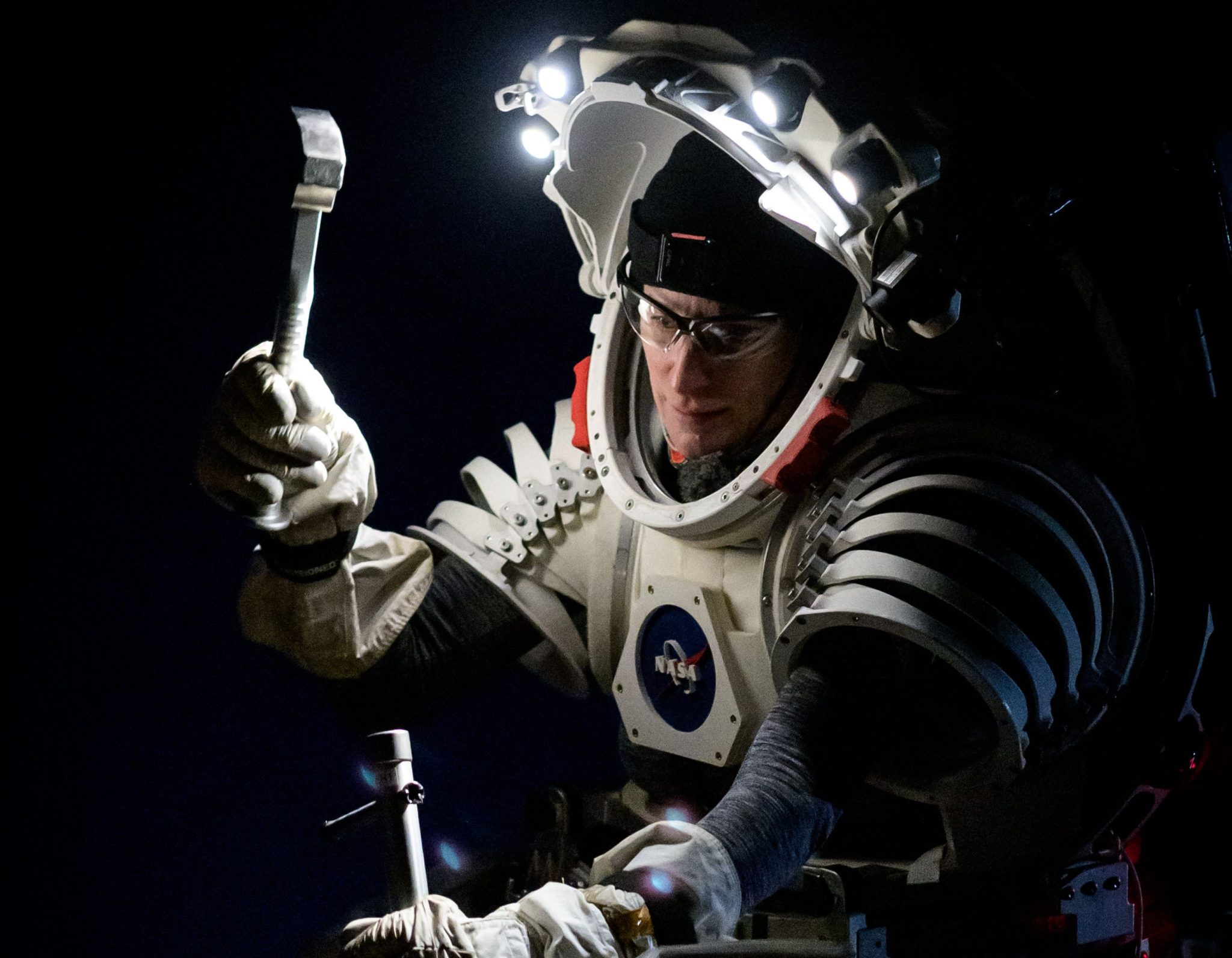
Designing Space Exploration With the Human in MindWhen designing a new spacecraft or exploration vehicle, there is intense focus on its technical performance. Do its systems perform as expected? What kind of power does it need? Will it safely reach its destination? Equally important, however, is whether that vehicle also works for the humans inside. Can astronauts easily reach critical controls? Do […]
NASA Releases First Integrated Ranking of Civil Space ChallengesThis spring, NASA published a document overviewing almost 200 technology areas requiring further development to meet future exploration, science, and other mission needs – and asked the aerospace community to rate their importance. The goal was to better integrate the community’s most pervasive technical challenges, or shortfalls, to help guide NASA’s space technology development and […]
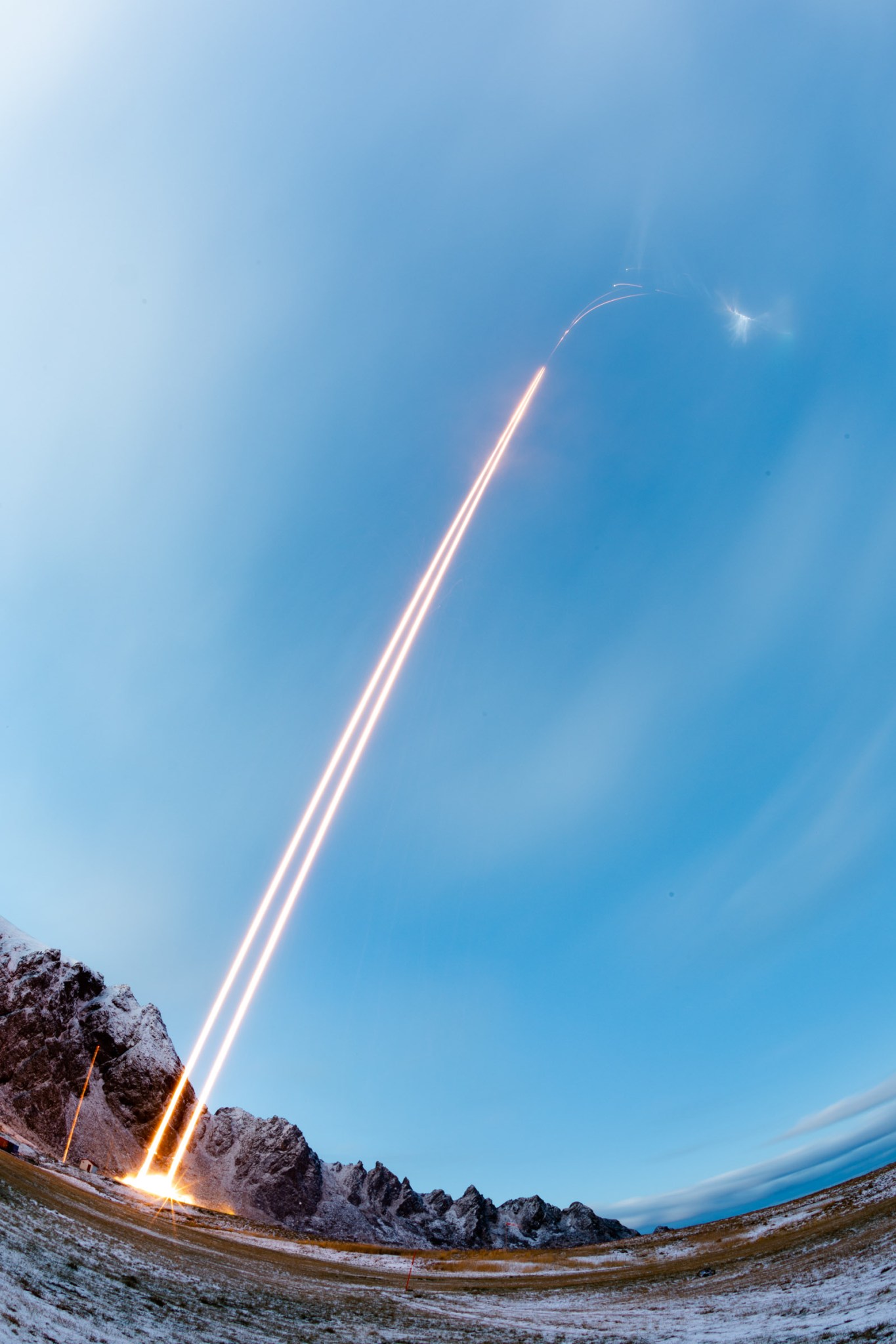
NASA Rocket Discovers New Energization Process in Upper AtmosphereWhen it comes to discoveries about our upper atmosphere, it pays to know your surroundings. Using data from the Twin Rockets to Investigate Cusp Electrodynamics (TRICE-2) rocket launch, NASA scientist Francesca Di Mare and Gregory Howes from the University of Iowa studied waves traveling down Earth’s magnetic field lines into the polar atmosphere. These waves […]
Ground Antenna Trio to Give NASA’s Artemis Campaign ‘LEGS’ to Stand OnMain Takeaways: Background: NASA’s LEGS can do more than help Earthlings move about the planet. Three Lunar Exploration Ground Sites, or LEGS, will enhance the Near Space Network’s communications services and support of NASA’s Artemis campaign. NASA’s Space Communications and Navigation (SCaN) program maintains the agency’s two primary communications networks — the Deep Space Network […]
NASA Research Volunteers to Begin Next Simulated Mission to MarsNASA selected a new team of four research volunteers to participate in a simulated mission to Mars within HERA (Human Exploration Research Analog) at the agency’s Johnson Space Center in Houston. Erin Anderson, Sergii Iakymov, Brandon Kent, and Sarah Elizabeth McCandless will begin their simulated trek to Mars on Friday, Aug. 9. The volunteer crew […]
Exploring the Moon: Episode PreviewsDiscover. Learn. Explore. NASA’s video series, Exploring the Moon, takes a “behind-the-scenes” look at humanity’s next steps on the Moon. Here is your first look at some of the key moments from the upcoming series! Scroll down or navigate through CONTENTS, to the side, to explore! Who, What, When, Where, Why, and How… How many […]
I am Artemis: John CampbellHow do you move NASA’s SLS (Space Launch System) rocket’s massive 212-foot-long core stage across the country? You do it with a 300-foot-long barge. However, NASA’s Pegasus barge isn’t just any barge. It’s a vessel with a history, and John Campbell, a logistics engineer for the agency based at NASA’s Marshall Space Flight Center in […]
July 2024 Transformer of the Month: Brooke Weborg“She gets things done.” This is how colleagues describe Brooke Weborg, machine learning data scientist and engineer at NASA. Weborg was nominated as Digital Transformer of the Month for her work on the AI/ML (artificial intelligence/machine learning) consultation portal, the type of ambitious project that computer scientist Herb Schilling had seen fail in the past. […]