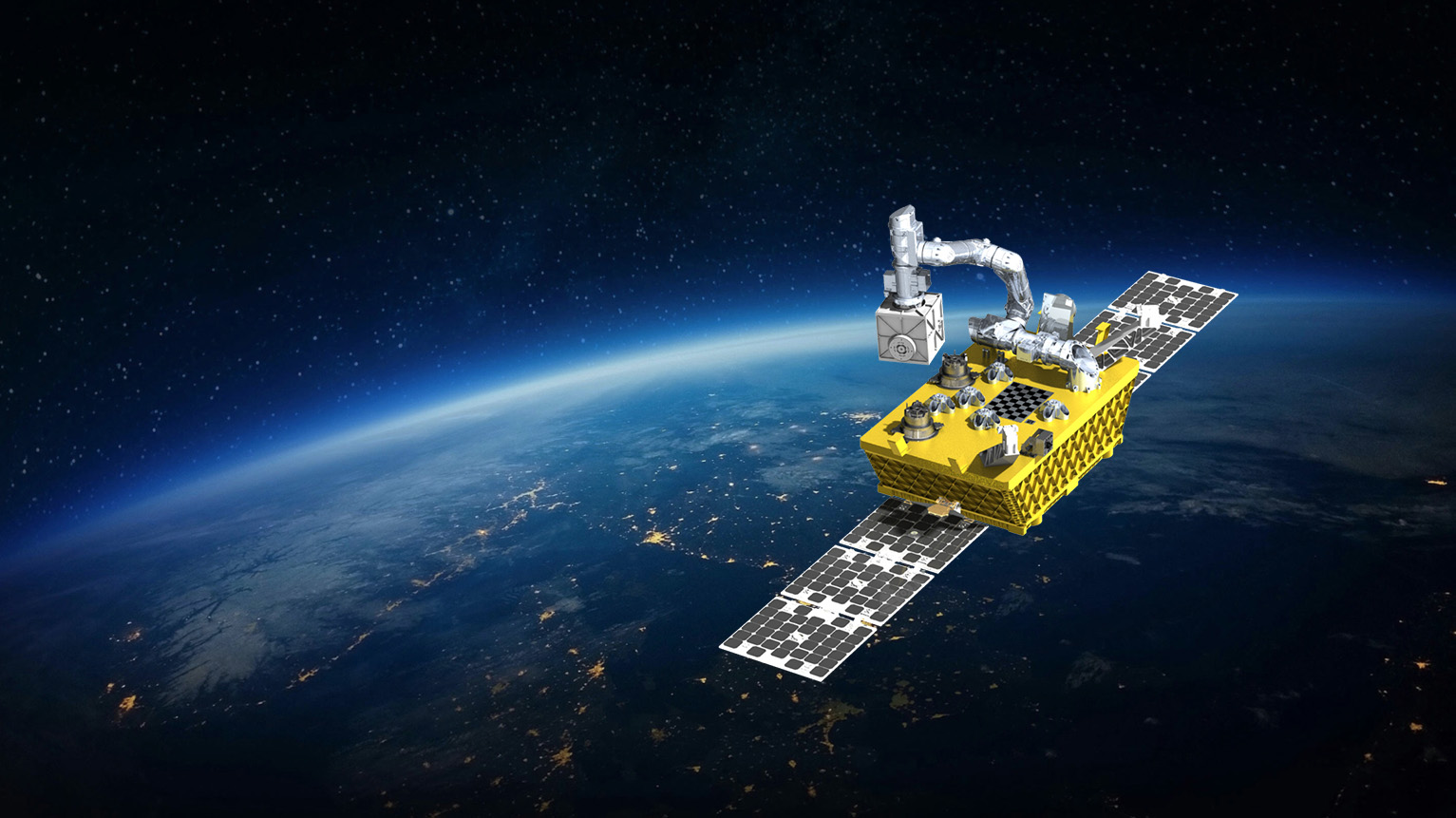
NASA Space Roboticist ChallengeThe Fly Foundational Robots (FFR) mission will launch a robotic arm, with seven degrees of freedom, to low Earth orbit. NASA is opening access to the robotic arm to a select group of U.S. researchers — principal investigators, post-doctoral researchers, professors, and highly qualified graduate students — who have a compelling experiment and the capability […]
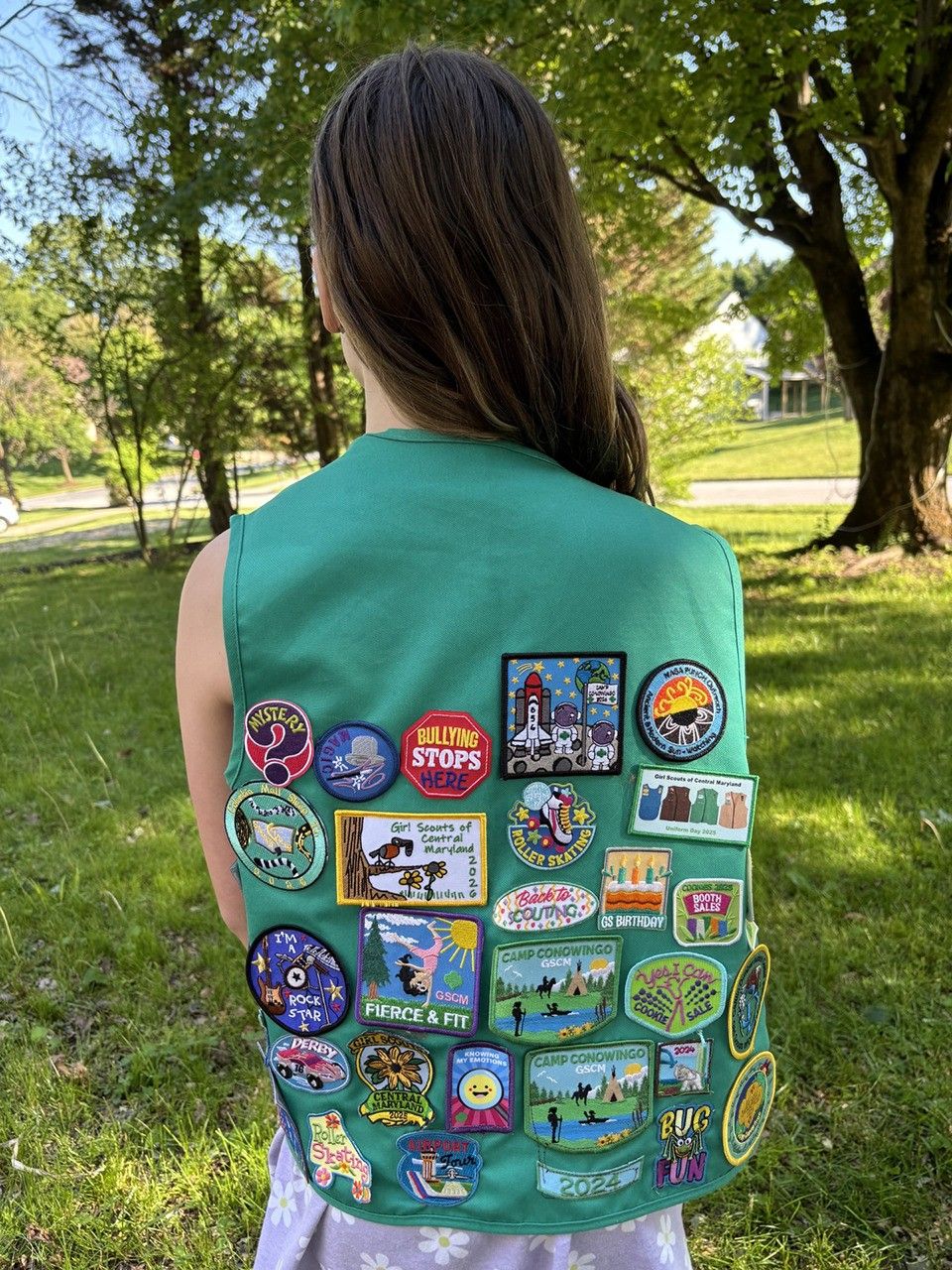
Girl Scouts Event Brings Space Science to the Next GenerationIn early May 2026, NASA employees, contractors, and volunteers helped to bring Heliophysics to girls of all ages in a fun-filled weekend of hands-on science activities and experiments.
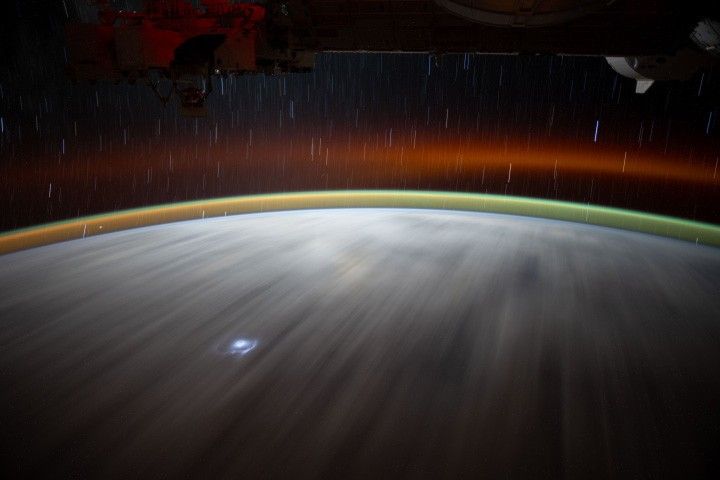
NASA’s AWE Completes Mission to Study Earth’s Effect on Space WeatherOn May 21, ground controllers powered down NASA’s AWE (Atmospheric Waves Experiment) instrument, bringing the data collection phase of the mission to a successful and scheduled end, surpassing its planned two-year mission. Installed on the exterior of the International Space Station since November 2023, AWE studied atmospheric gravity waves, which are giant ripples in the […]
Inflight call with ESA astronaut Sophie AdenotOn 20 May, ESA astronaut Sophie Adenot conducted an in-flight call with selected media representatives live aboard the International Space Station. During the discussion, Sophie shared insights into life and research in orbit, including scientific experiments supporting human health, climate science and future space exploration.
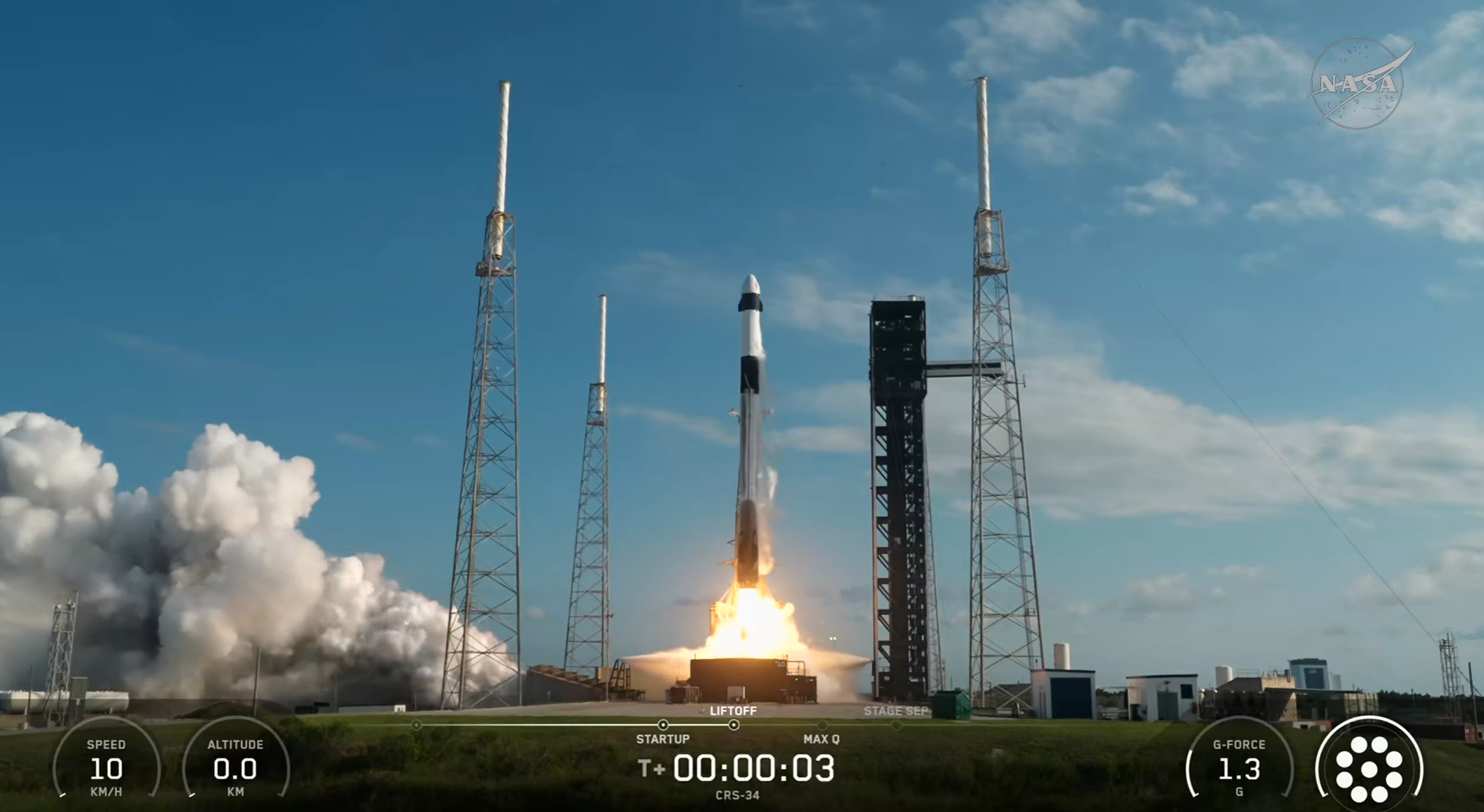
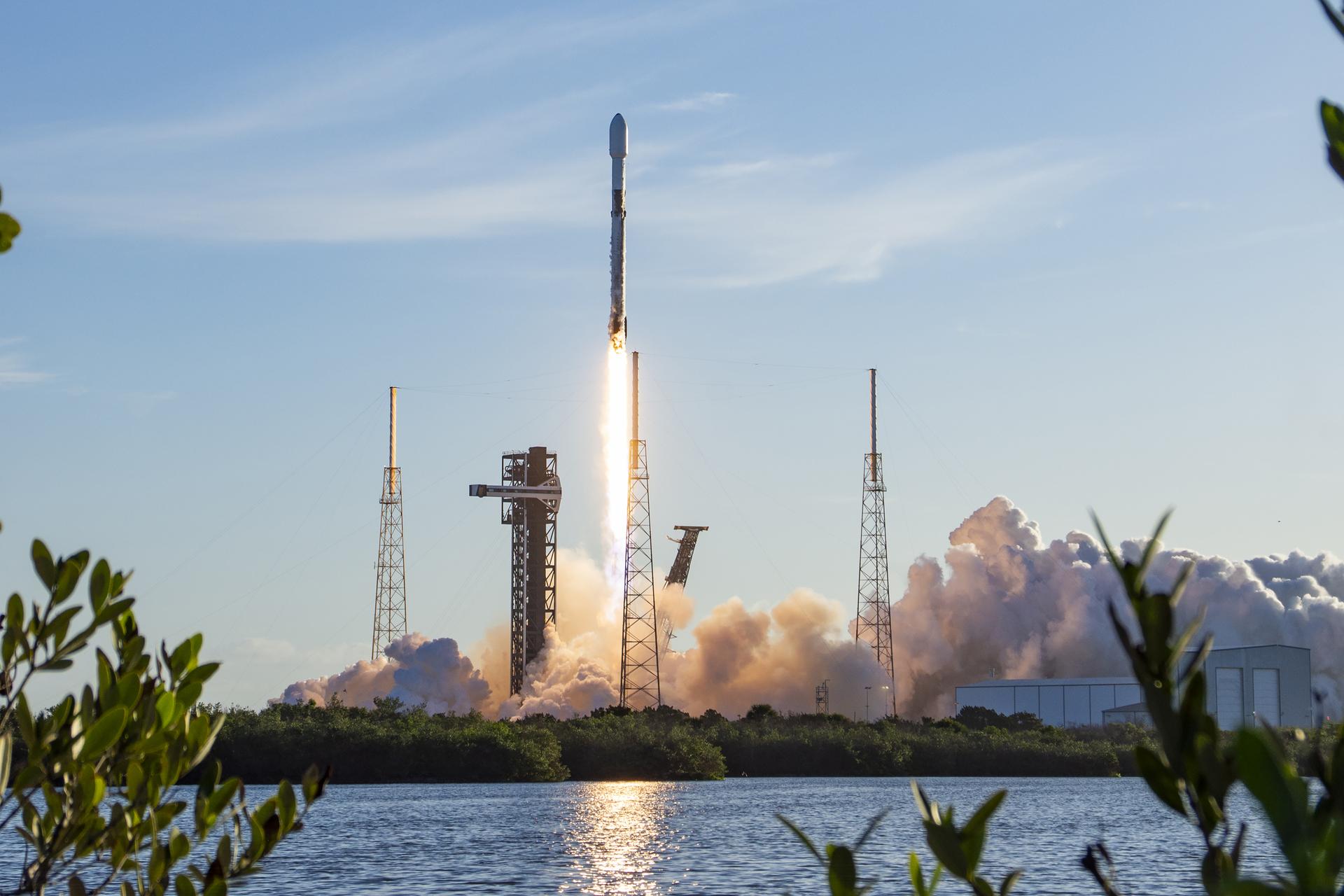
NASA Science, Cargo Launch on 34th SpaceX Resupply Mission to StationThe 34th SpaceX commercial resupply mission under contract with NASA is headed to the International Space Station with new scientific experiments after lifting off at 6:05 p.m. EDT Friday on a Falcon 9 rocket from Space Launch Complex 40 at Cape Canaveral Space Force Station in Florida. The SpaceX spacecraft, loaded with nearly 6,500 pounds […]
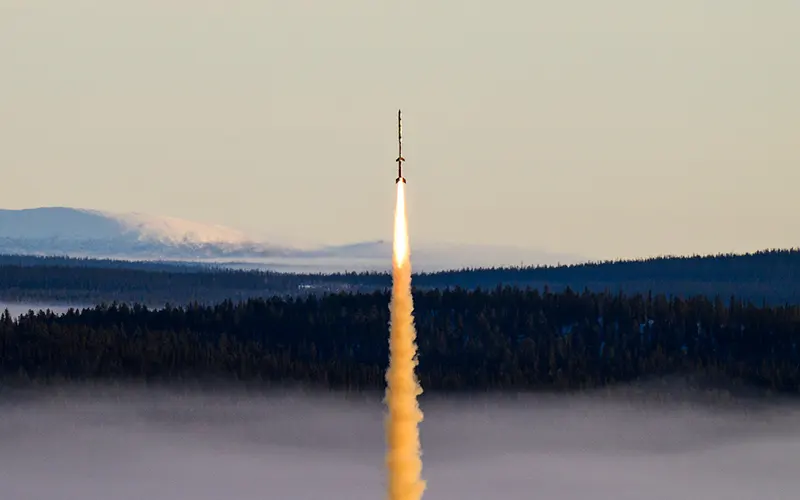
ESA Opens €16 Million Call for Suborbital Launch CampaignThe European Space Agency has opened a call for the design, development, manufacture, launch, and recovery of five scientific experiments aboard one or more sounding rockets in 2027 or 2028. The call has a maximum budget of €16 million. Initially announced in March and opened for proposals on 13 May, the call covers five experiments […] The post ESA Opens €16 Million Call for Suborbital Launch Campaign appeared first on European Spaceflight.
Show HN: Cyoda-go – application platform in Go without the Temporal/Kafka glueThis started out as an experiment. Reading Simon Willison's blog on where StrongDM was going with dark factories and Digital Twin Universeshttps://simonw.substack.com/p/how-strongdms-ai-team-build-se...I got thinking that, hey, what if we built a digital twin of our enterprise application platform Cyoda? With an in-memory local Cyoda service, it would make it much easier for people to get started building Cyoda apps, and rapidly speed up development.I also wanted to see how far one can go using agentic engineering to build that out, thinking it's a good use-case since the tool wasn't (originally) destined for production.I'm a Java/Kotlin/Spring/Cassandra person, so I decided to write it in Go, because I've never written a line of Go. This would ensure that I stay hands off from the code and see this from the perspective of an architect and project manager.But after the in-memory storage engine was built, I quickly realized that it would be straightforward to implement a postgres plugin
Meet the Fleet: NASA Armstrong Continues Legacy of Flight ResearchNASA’s home for experimental flight is welcoming more flyers to its already high-performing fleet as it continues to support science and aeronautics test missions – continuing the legacy of pioneers like Neil Armstrong. NASA’s Armstrong Flight Research Center in Edwards, California, added multiple aircraft this year: two F-15s supersonic jets, a Pilatus PC-12 utility plane, […]
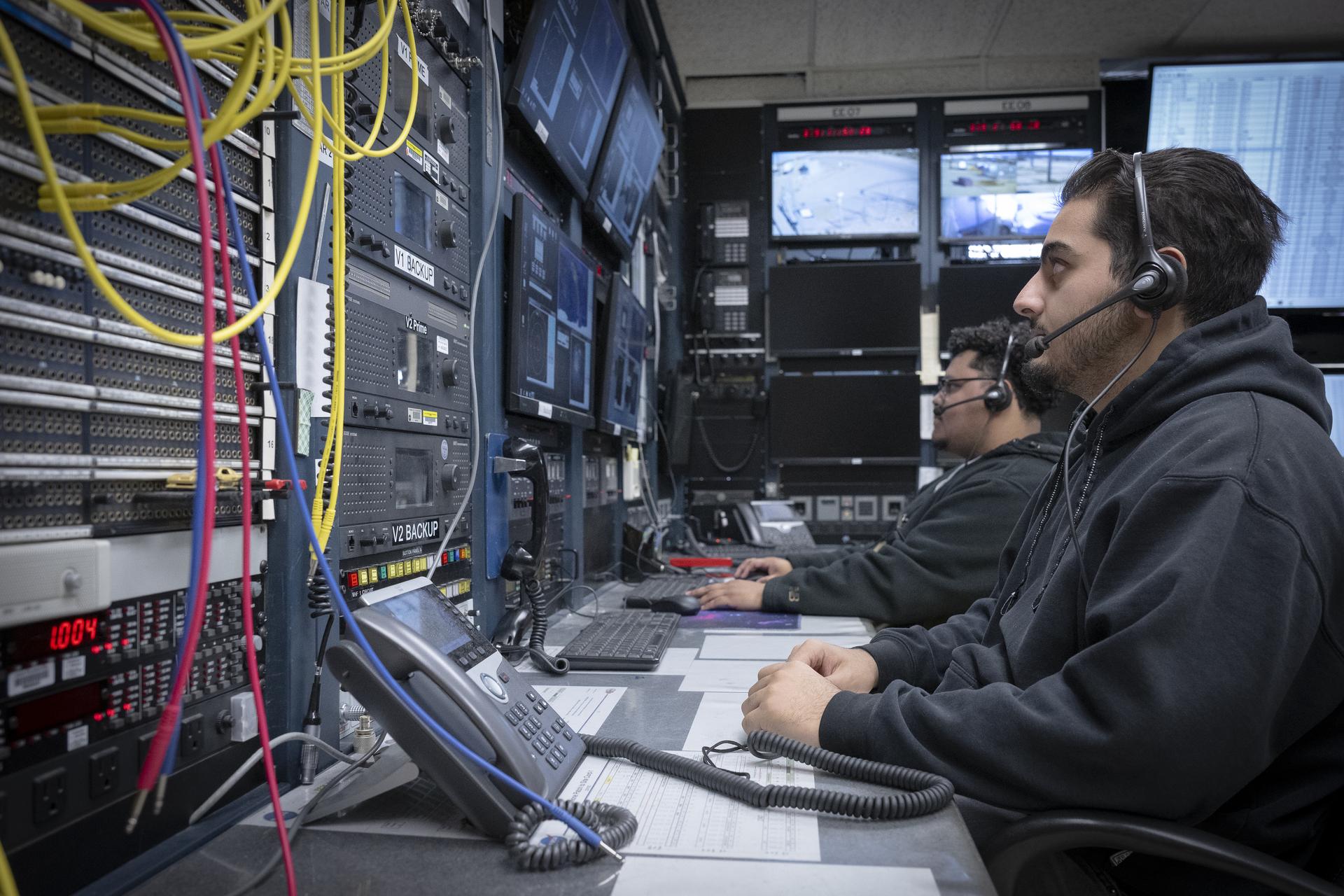
NASA’s Dryden Aeronautical Test Range Supports Flight, Space MissionsNASA advances aeronautics and space technologies through experimental aircraft and flight research at the agency’s Armstrong Flight Research Center in Edwards, California. Behind those efforts is the Dryden Aeronautical Test Range (DATR), which provides the communications, tracking, and data services that enable safe and effective missions. For most NASA Armstrong research flights, the DATR supplies […]
Building AI apps and agents with Microsoft FoundryMicrosoft’s Azure-based AI development and deployment platform shines with a strong selection of models and agent types and an excellent playground for experimenting with agents. At first glance, ...
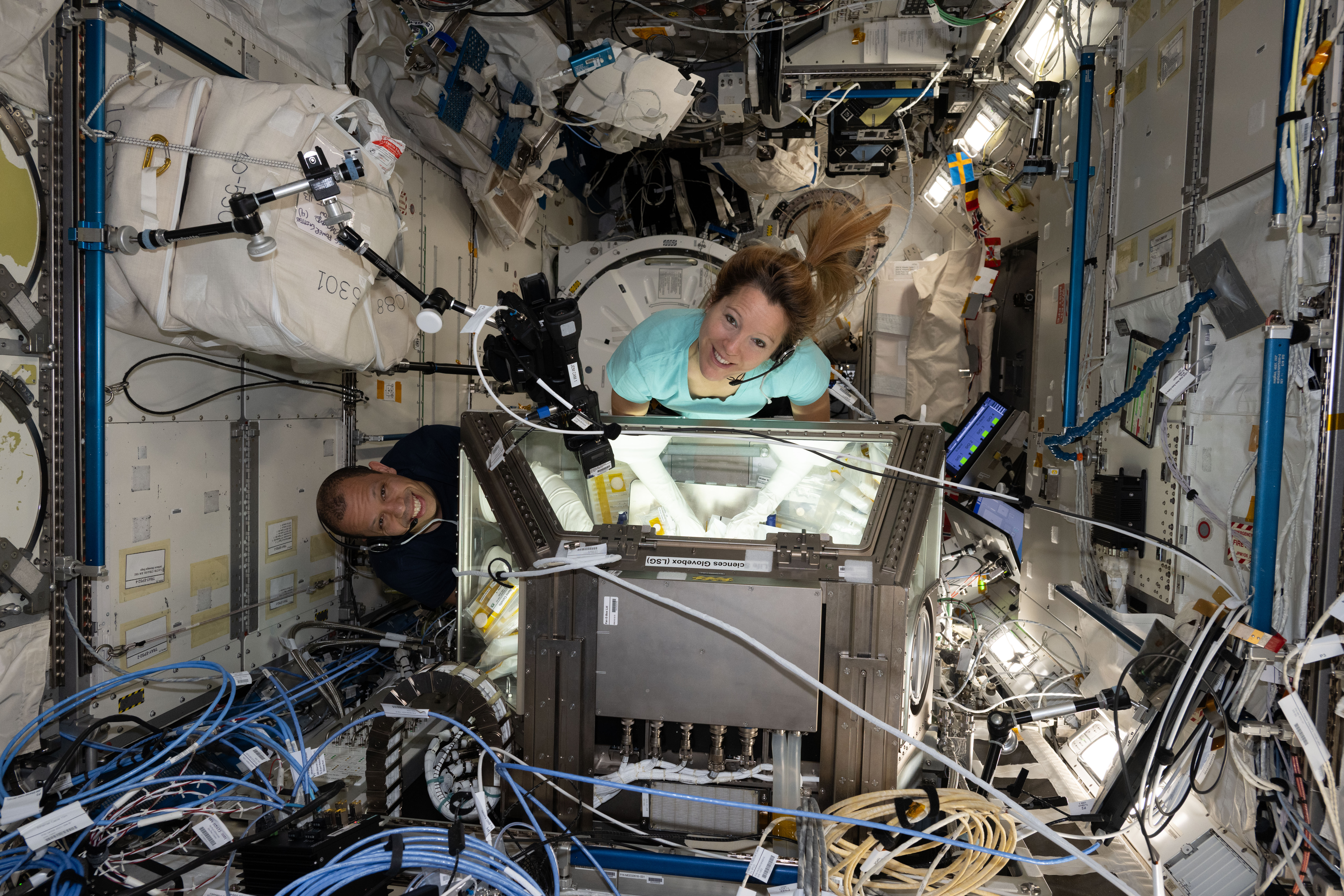
Science in SpaceAstronauts Chris Williams of NASA and Sophie Adenot of the European Space Agency work together in the Kibo laboratory module’s Life Science Glovebox, processing genetic-material samples for the DNA Nano Therapeutics‑3 experiment. The investigation is exploring DNA‑inspired assembly techniques as a way to manufacture treatments—such as chemotherapy and immunotherapy—that can kill cancer cells and activate […]
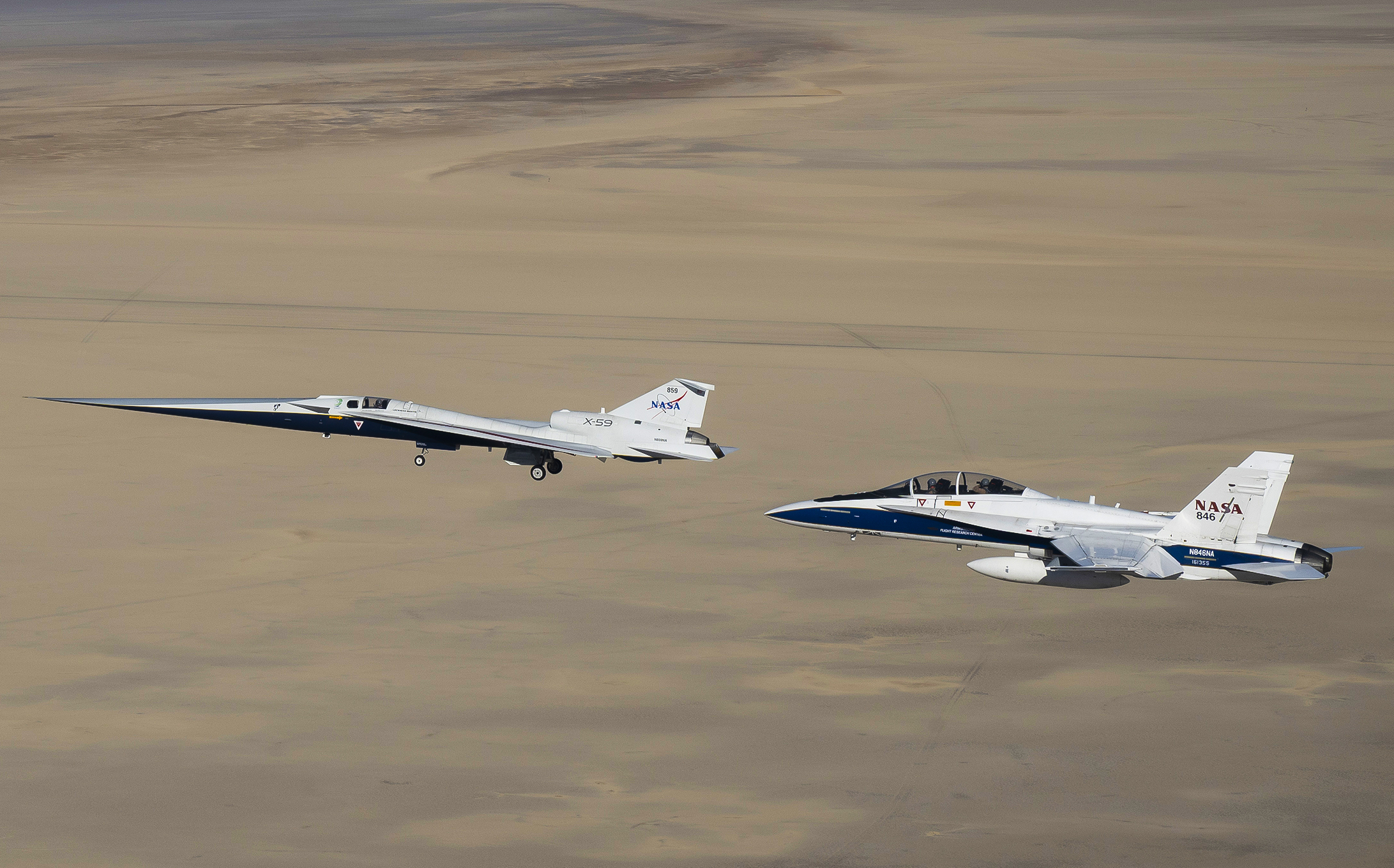
Wheels Up for X-59NASA’s X-59 quiet supersonic research aircraft flies over the Mojave Desert in California in this April 14, 2026, image. The transition to flying with wheels up is a key milestone and an important step in the experimental aircraft’s test campaign. The X-59 has made its highest and fastest flights so far, expanding its operational range […]
NASA Launches Six CubeSats to International Space StationExperiments and supplies bound for the International Space Station launched on April 11 as part of the agency’s Northrop Grumman Commercial Resupply Services 24 mission. As part of the approximately 11,000 pounds cargo that lifted off inside the company’s Cygnus XL spacecraft, NASA’s CubeSat Launch Initiative (CSLI) launched six CubeSats built by U.S. educational institutions […]
Graphene and lasers for space propulsionLasers could one day steer solar sails and adjust a satellite’s position in outer space, thanks to graphene. An experiment on a gravity rollercoaster ride showed how this innovative material has the potential to revolutionise propulsion beyond Earth.
Galileo goes to the MoonLast year, history was made as a navigation receiver on the Moon determined its position in real time using signals from approximately 410 000 km away. The receiver, called the Lunar GNSS Receiver Experiment (LuGRE), acquired signals from four navigation satellites orbiting Earth: two Galileo satellites and two GPS satellites.
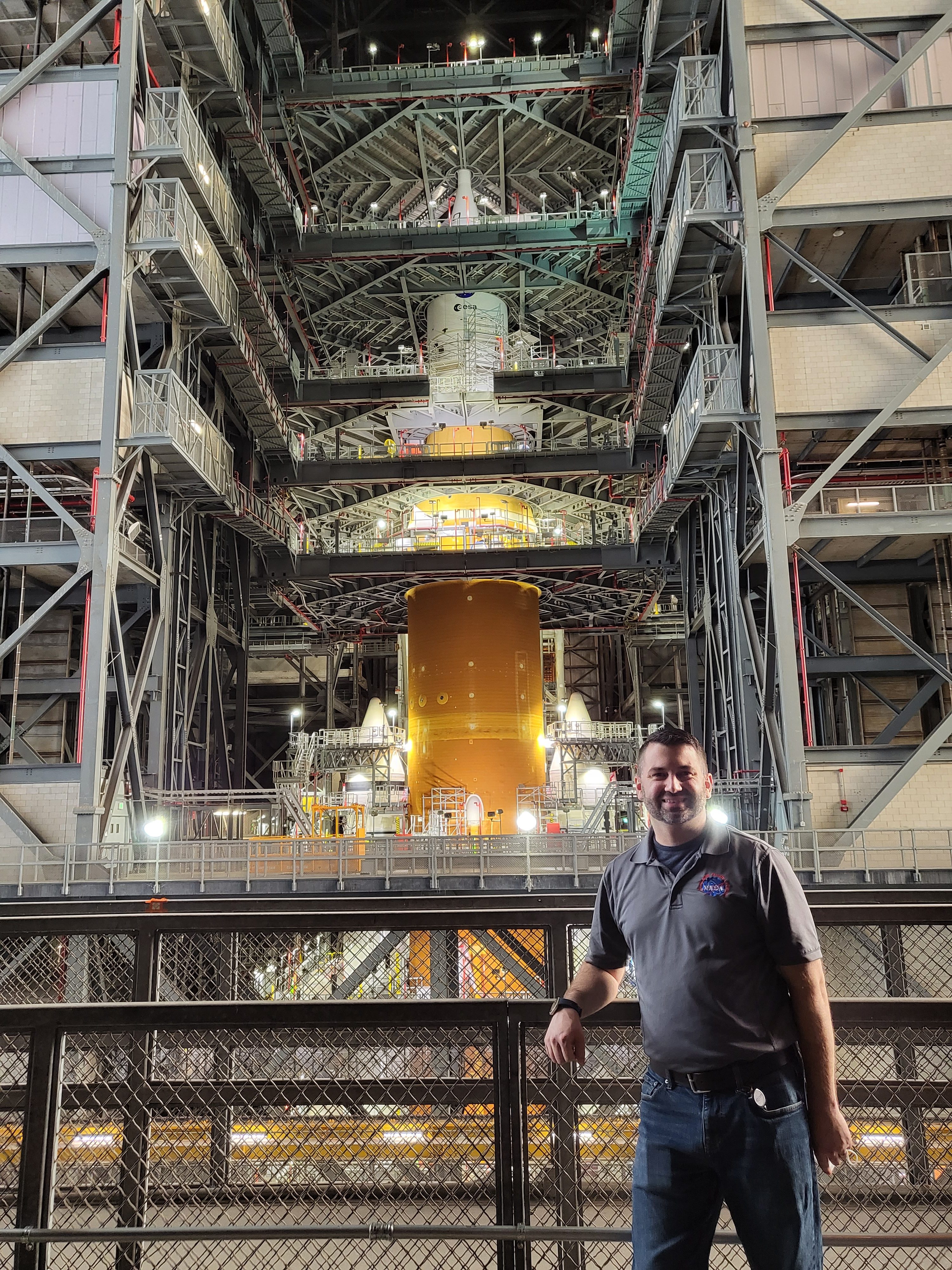
Station Nation: Aaron Rose, Cold Stowage Mission ManagerAs a member of the Crew and Thermal Systems Division, Aaron Rose supports critical cargo resupply missions to the International Space Station. In this role, he works with payload developers to safely transport temperature-controlled science experiments to and from station with portable coolers, freezers, and refrigerators. For the full flight cycle, Rose and his team members ensure all cold stowage hardware, operations, and personnel are coordinated to […]
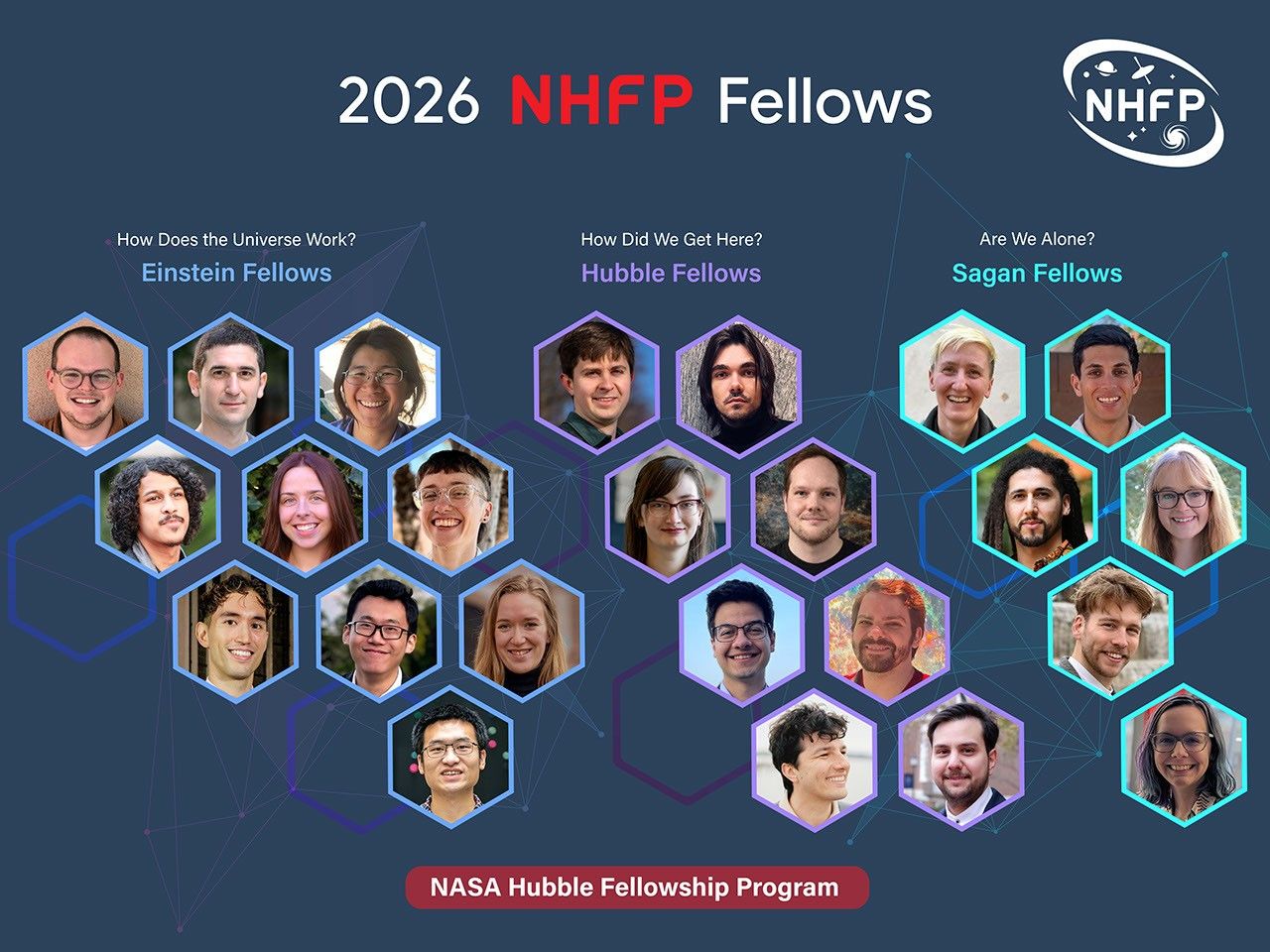
NASA Awards Astrophysics Postdoctoral Fellowships for 2026The highly competitive NASA Hubble Fellowship Program (NHFP) recently named 24 new fellows to its 2026 class. The NHFP enables outstanding postdoctoral scientists to pursue independent research in any area of NASA Astrophysics, using theory, observations, simulations, experimentation, or instrument development. Over 650 applicants vied for the 2026 fellowships, representing an oversubscription rate of 27 […]
See NASA’s GUARDIAN Catch a TsunamiA new data visualization illustrates how an experimental NASA technology can provide extra lead time to communities in the path of a tsunami. Called GUARDIAN (GNSS Upper Atmospheric Real-time Disaster Information and Alert Network), the software detects slight distortions in satellite navigation signals to spot hazards on the move.. The animation breaks down a real-life […]
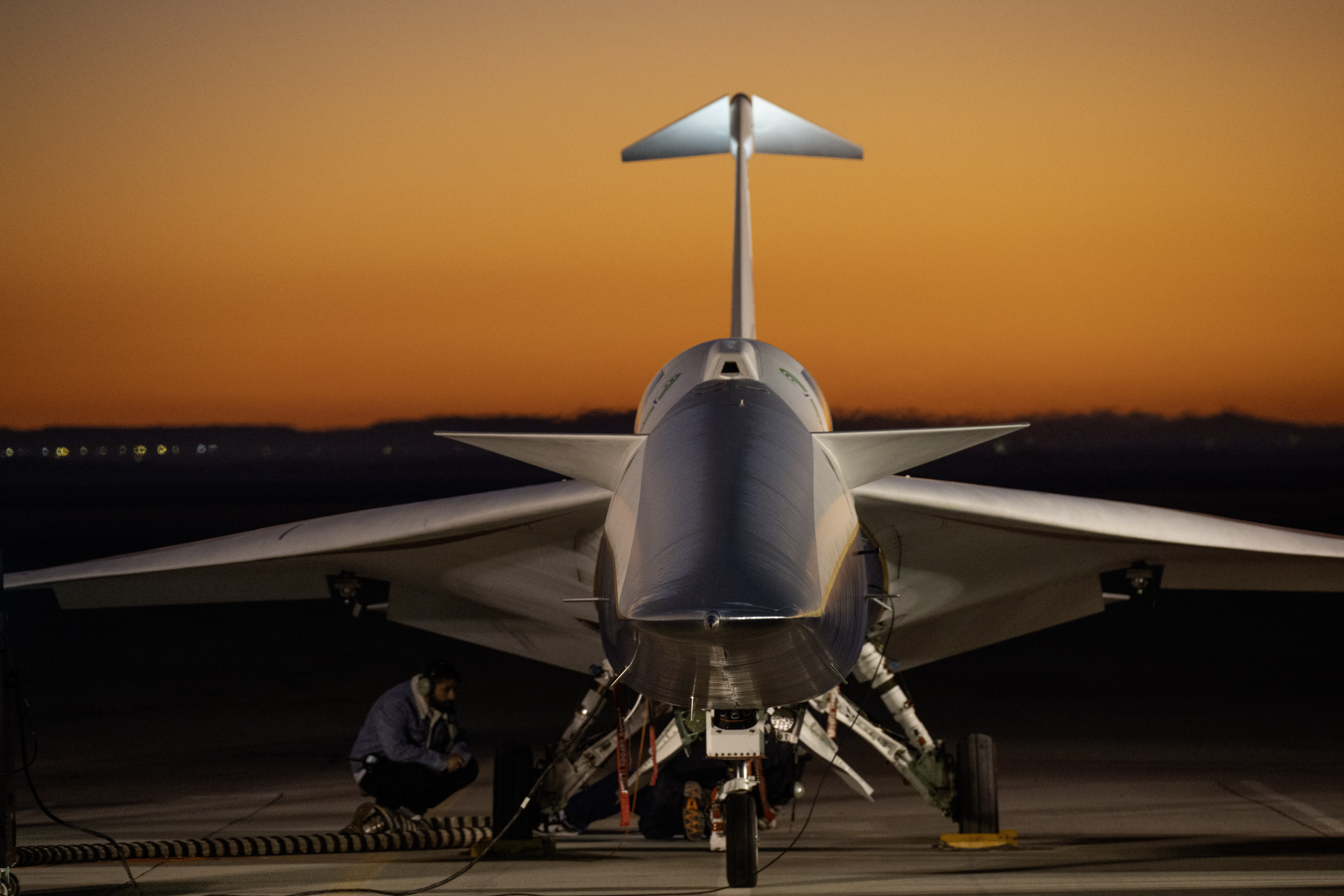
NASA’s X-59 Prepares for Second FlightNASA’s X-59 experimental aircraft is preparing for its second flight, a step that will set the pace for more flight testing in 2026. Over the coming months, NASA will take the quiet supersonic jet faster and higher, while validating safety and performance, a process known as envelope expansion. NASA test pilot Jim “Clue” Less will be at the X-59’s […]