Discovery Alert: ‘Super-Earth’ Swings from Super-Heated to Super-ChillThe Discovery A possible “super-Earth” orbits a relatively close, Sun-like star, and could be a habitable world – but one of extreme temperature swings, from scorching heat to deep freeze. Key Facts The newly confirmed planet is the outermost of three detected so far around a star called HD 20794, just 20 light-years from Earth. […]
Reaping space’s decline? Why to choose the durability of due regard over the debris of military devastationRecent voices have urged the United States to violate the Outer Space Treaty (OST), the binding principles of humanity’s use of outer space, by engrossing private industry for advancing U.S. […] The post Reaping space’s decline? Why to choose the durability of due regard over the debris of military devastation appeared first on SpaceNews.
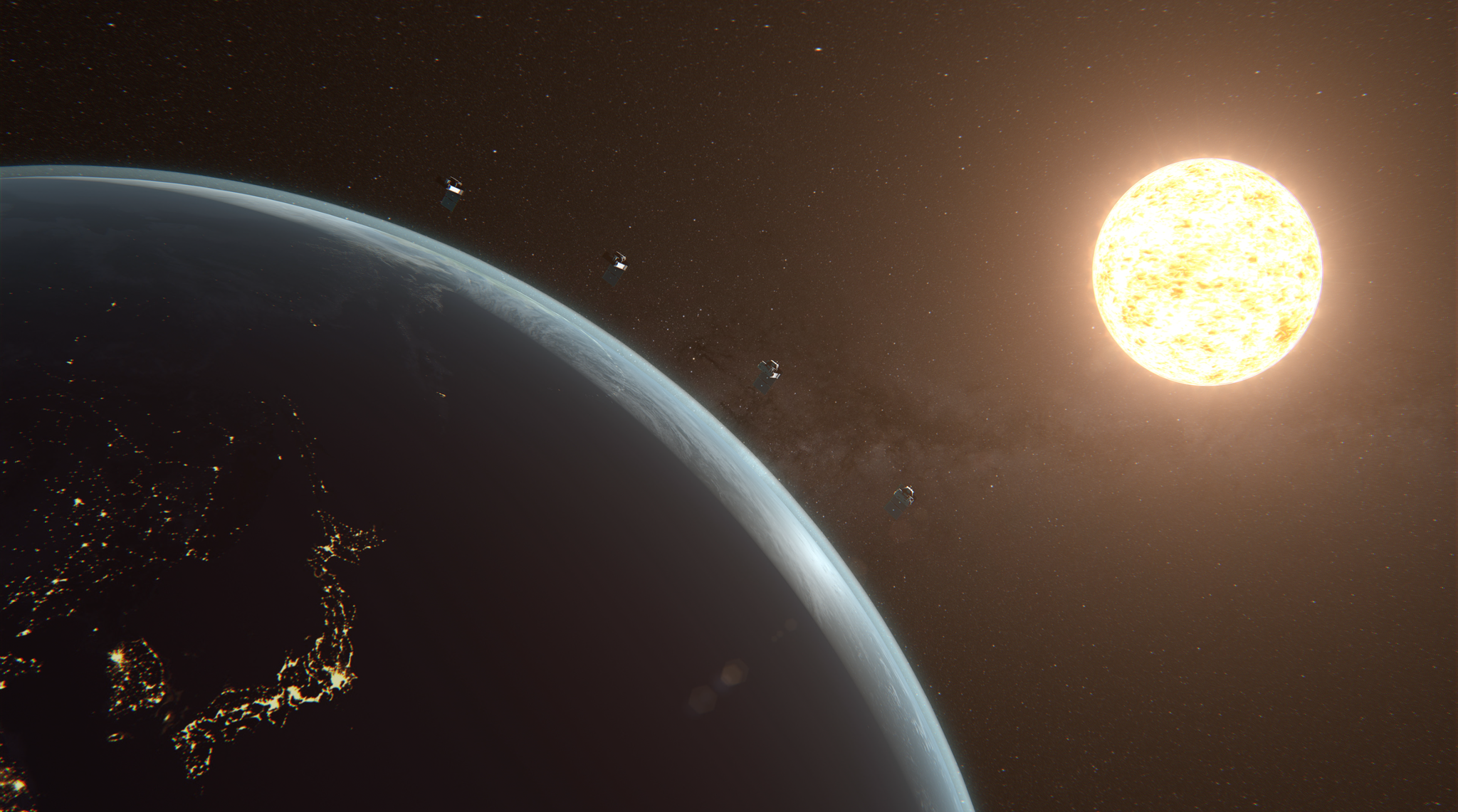
NASA’s PUNCH Mission to Revolutionize Our View of Solar WindEarth is immersed in material streaming from the Sun. This stream, called the solar wind, is washing over our planet, causing breathtaking auroras, impacting satellites and astronauts in space, and even affecting ground-based infrastructure. NASA’s PUNCH (Polarimeter to Unify the Corona and Heliosphere) mission will be the first to image the Sun’s corona, or outer […]
40 Years of Cisco, the Real Story Behind Cisco's "Innovative" FoundingHappy 40th Birthday, Cisco! Time for some truth-telling from a certified network nerd (CCIE gang represent!) who's had enough vendor Kool-Aid to float a datacenter. Let's skip the fairy tale version and dive into what really happened, shall we? That romantic story about two Stanford lovebirds inventing the multiprotocol router in their living room? Yeah, about that... The real story: A team of Stanford engineers, led by Bill Yeager, had already built and deployed working routers across campus. That core software? Written by Yeager. (Spoiler: It becomes the foundation for Cisco IOS.) Enter our "founders," Len Bosack and Sandy Lerner, who saw this Stanford-developed tech and thought, "Hey, this looks profitable!" While still cashing Stanford paychecks, they made some tweaks and started selling it. When Stanford's licensing office found out... let's just say the lawyers weren't sending birthday cards. But here's the kicker: Stanford settled for a measly $19,300 plus $150k in royalties (ab

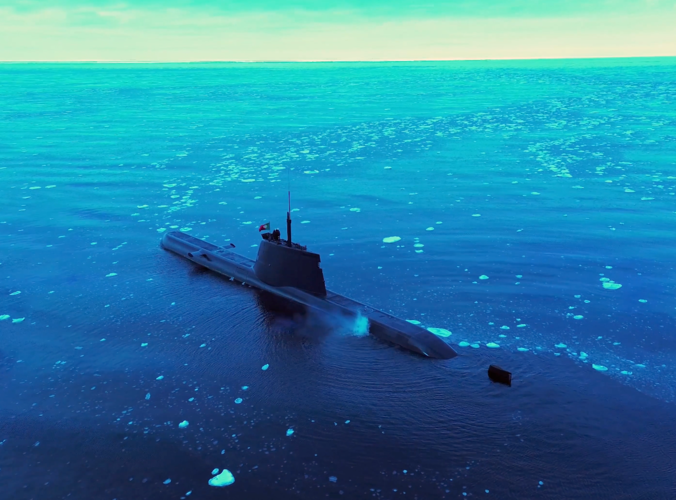
Submarines for space explorationSubmarines are emerging as a unique research platform to study human adaption to extreme environments – from ocean depths to outer space.
New full Sun views show sunspots, fields and restless plasmaZoom into Solar Orbiter's four new Sun images, assembled from high-resolution observations by the spacecraft's PHI and EUI instruments made on 22 March 2023. The PHI images are the highest-resolution full views of the Sun's visible surface to date, including maps of the Sun's messy magnetic field and movement on the surface. These can be compared to the new EUI image, which reveals the Sun's glowing outer atmosphere, or corona.
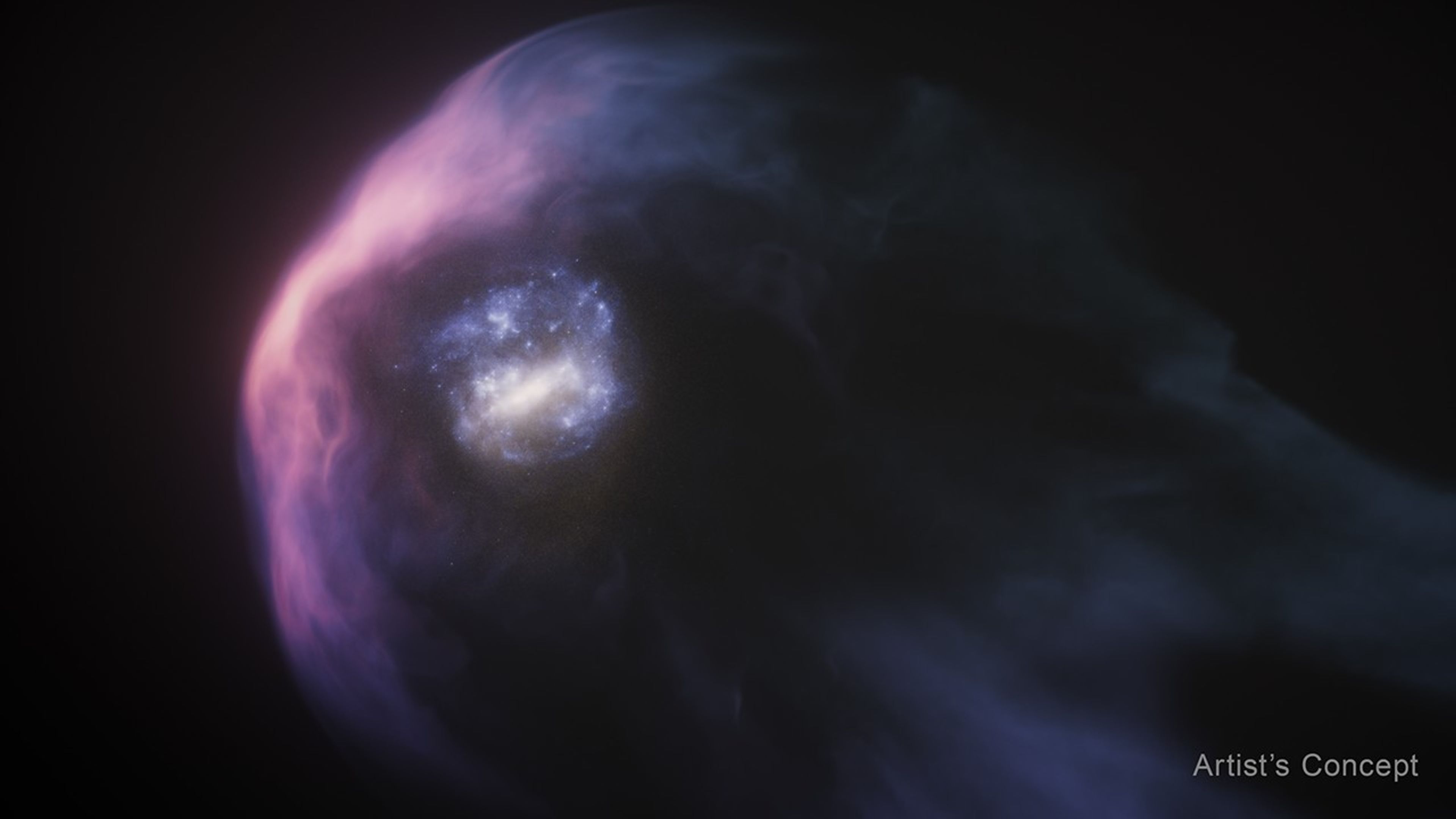
NASA’s Hubble Sees Aftermath of Galaxy’s Scrape with Milky WayA story of survival is unfolding at the outer reaches of our galaxy, and NASA’s Hubble Space Telescope is witnessing the saga. The Large Magellanic Cloud, also called the LMC, is one of the Milky Way galaxy’s nearest neighbors. This dwarf galaxy looms large on the southern nighttime sky at 20 times the apparent diameter […]
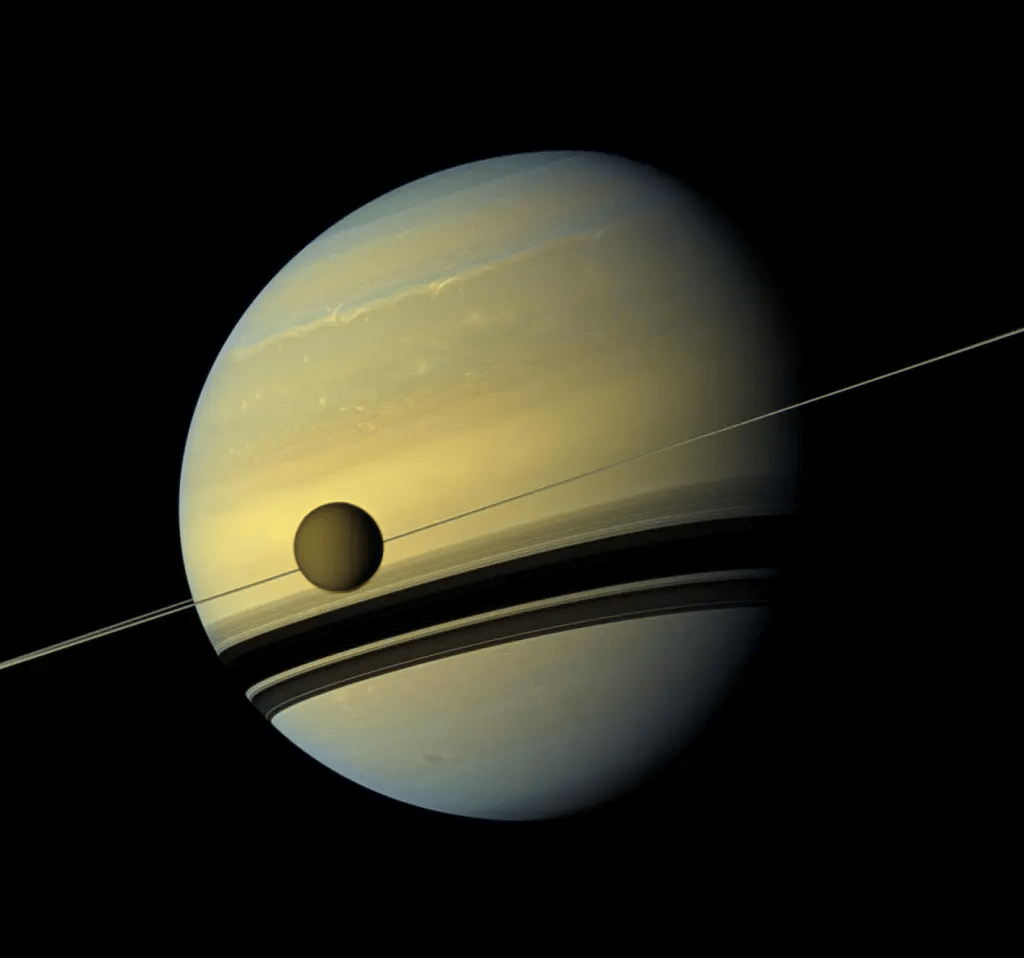
Cassini Mission: 5 Things to Know About NASA Lewis’ Last LaunchNASA’s ambitious Cassini mission to Saturn in the late 1990s was one of the agency’s greatest accomplishments, providing unprecedented revelations about the esoteric outer planet and its moons. The complex undertaking was also a tremendous, yet bittersweet, achievement for the Lewis Research Center (today, NASA’s Glenn Research Center in Cleveland), which oversaw the rockets that […]
The artificial divide between the space and geospatial sectorsAfter the plenary of the United Nations Committee on the Peaceful Uses of Outer Space (COPUOS) in June, the global space community typically looks to the 75th International Astronautical Congress […]
Russia Vetoes U.N. Security Council Resolution on Nuclear Weapons in SpaceRussia vetoed a United Nations Security Council resolution today that would have reaffirmed the provision in the 1967 Outer Space Treaty prohibiting nations from placing nuclear weapons in Earth orbit. […]
Ahead of total solar eclipse, scientists use spacecraft data to predict the Sun’s coronaOn April 8, a total solar eclipse will sweep across the continental United States — the first since 2017 and the last until Aug. 12, 2045. During totality, or the moment at which the Moon is completely covering the Sun, the Sun’s outer atmosphere, called the corona, and other prominences become visible to the naked eye. Scientists often use total solar eclipses as a chance to observe and study the Sun’s corona, and their results contribute to our understanding of stellar dynamics and solar storms and how they affect Earth.
Chinese scientist proposes solar system-wide resource utilization roadmapChinese space scientists have outlined a tentative roadmap for establishing a space resources utilization network stretching into the outer reaches of the solar system.
U.S. SPACECOM tries to satisfy global military demand for satellite servicesU.S. Space Command, a military combatant command responsible for operations in outer space, is seeking more funding and resources from the Pentagon to defend the nation’s spacecraft and fill growing demands for satellite services, the head of the command Gen. James Dickinson said April 18.
Industry proposals sought for ‘cislunar highway patrol’ satelliteThe Air Force Research Laboratory is asking companies to submit ideas on how they would design a spacecraft to monitor outer space beyond Earth’s orbit.
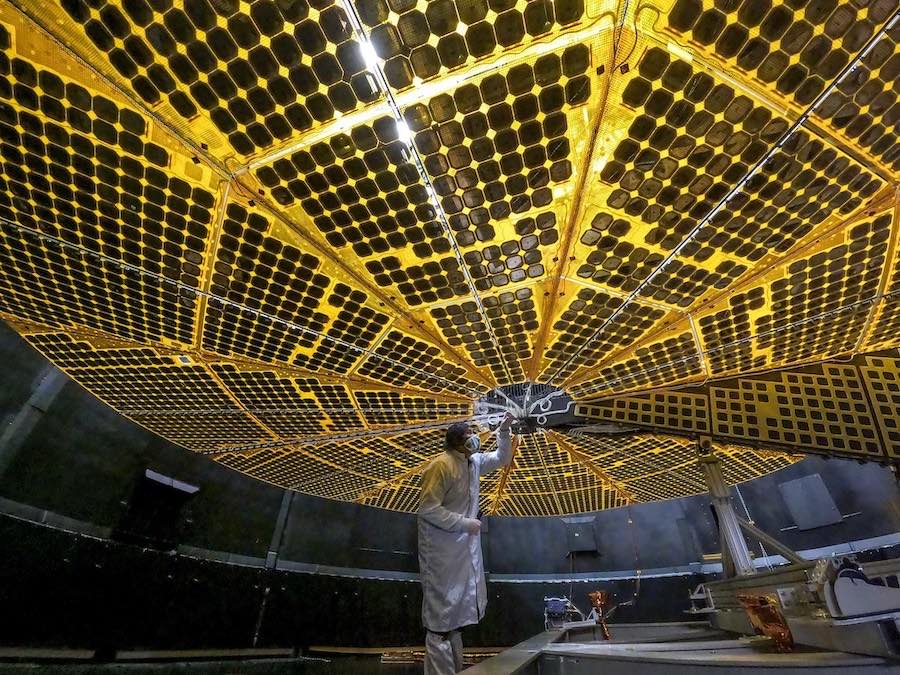
Lucy asteroid probe to set a new distance record for solar-powered spacecraftAbout an hour after launch Saturday, NASA’s Lucy spacecraft will start the delicate process of opening its circular, fan-shaped solar arrays — the largest ever on a deep space probe — to power the asteroid explorer’s 12-year journey into the outer solar system. When it reaches the apex of its interplanetary orbital arc, the Lucy mission will become the most distant spacecraft to ever use solar power, breaking the record set by NASA’s Juno spacecraft orbiting Jupiter. Lucy will fly by eight asteroids during its mission, including seven objects in the Trojan swarms that lead and trail Jupiter in its orbit around the sun. The mission is the first to explore the Trojan asteroids, which scientists say are leftover building blocks similar to objects that came together to form the solar systems giant outer planets. To get there, Lucy will rely on a few engineering innovations. “The most obvious feature that we have on Lucy is our gigantic, amazing solar array wings,” said Katie Oakman, struct
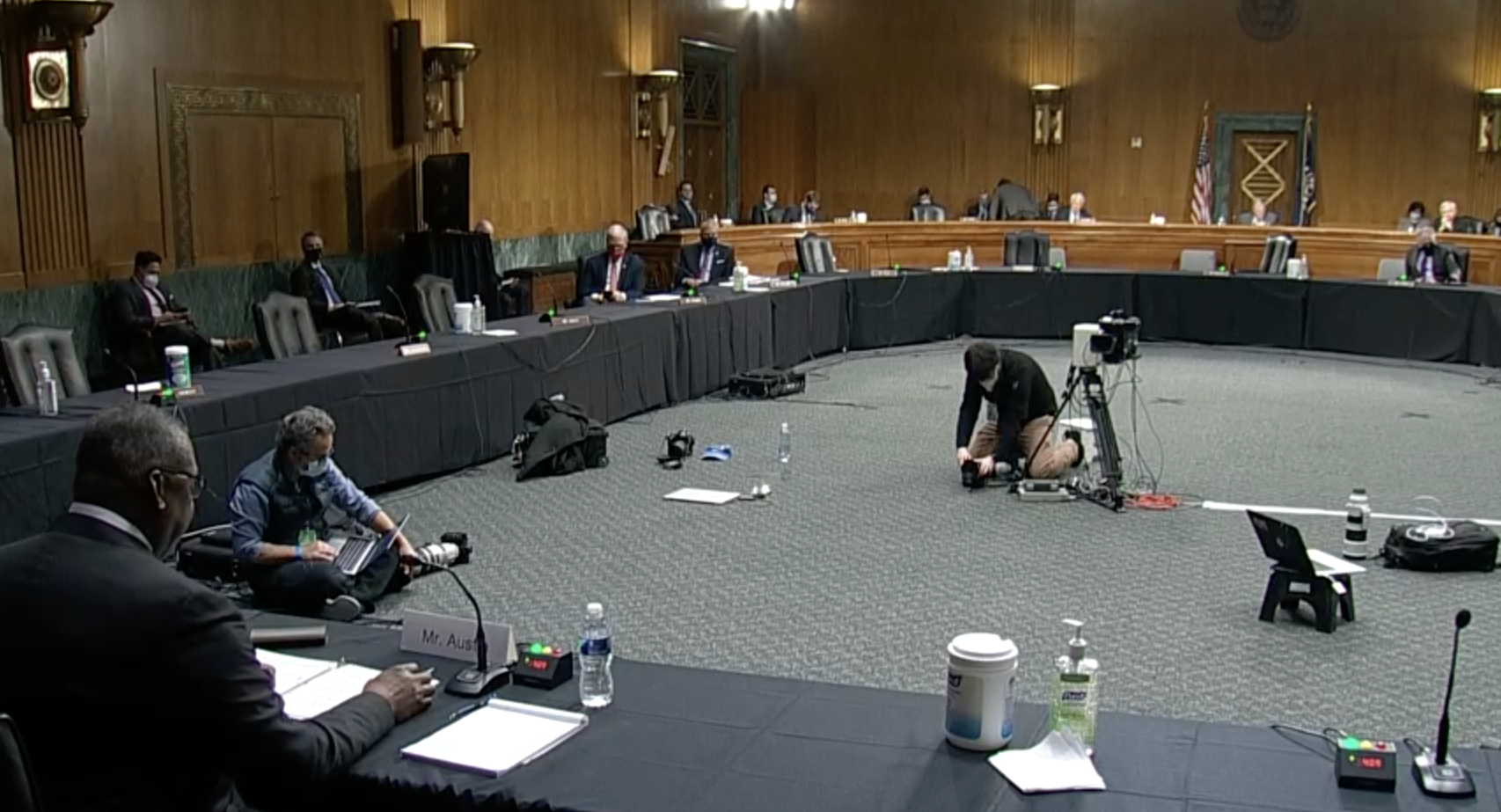
Biden’s Defense nominee embraces view of space as a domain of warPresident-elect Joe Biden’s pick for defense secretary Lloyd Austin affirmed the view that the competition with China and Russia extends to outer space.

Show HN: Llmcanvas.chat Tree-based LLM chat on an infinite canvasNo one thinks linearly, yet current LLM interfaces still force you to, and it sucks.So I built llmcanvas.chat. The name says it all; you can branch, regenerate across models and compare: all in one infinite canvas.Every prompt and response is a node in the canvas and it brings ultimate flexibility on how you interact with the LLM, while keeping the old-school way of chatting linearly.Bring your own keys, 4 providers supported: Anthropic, OpenAI, Gemini, and OpenRouter.Try it: llmcanvas.chat. I'd love to hear your feedback.

From cropped trenches to suede jackets, the 10 best transitional jackets to wear into early autumnAs we enter a new season, it's time to pick the lightweight outerwear you can start wearing now ...

Reference designs broaden long-range wireless connectivity for developersNew reference designs aim to bring long-range wireless connectivity to existing devices, giving developers practical routes to upgrade routers, computers, ...