bing.com
The Reaches of CU Boulder Researchhttp://www.bing.com/news/apiclick.aspx&aid=&tid=6a856d0b2b93431294f0bfc8dfc5b32d&url=https%3a%2f%2fwww.colorado.edu%2fcoloradan%2f2025%2f11%2f10%2freaches-cu-boulder-research&c=2821996770722759533&mkt=en-usWhat if measuring space dust could tell us something about our place in the cosmos? What if we could grow whole human organs from just a few cells? What if we could transform plastic into fertilizer?Oct 10, 2025 5:00 PM
bing.com
The Reaches of CU Boulder Researchhttp://www.bing.com/news/apiclick.aspx&aid=&tid=6a8566e576f34c8996a2008876019dad&url=https%3a%2f%2fwww.colorado.edu%2fcoloradan%2f2025%2f11%2f10%2freaches-cu-boulder-research&c=2821996770722759533&mkt=en-usWhat if measuring space dust could tell us something about our place in the cosmos? What if we could grow whole human organs from just a few cells? What if we could transform plastic into fertilizer?Oct 10, 2025 5:00 PM
bing.com
The Reaches of CU Boulder Researchhttp://www.bing.com/news/apiclick.aspx&aid=&tid=6a8571d7c3244ea7b984a23656dc4a02&url=https%3a%2f%2fwww.colorado.edu%2fcoloradan%2f2025%2f11%2f10%2freaches-cu-boulder-research&c=2821996770722759533&mkt=en-usWhat if measuring space dust could tell us something about our place in the cosmos? What if we could grow whole human organs from just a few cells? What if we could transform plastic into fertilizer?Oct 10, 2025 5:00 PM
bing.com
The Reaches of CU Boulder Researchhttp://www.bing.com/news/apiclick.aspx&aid=&tid=6a856a49908c4df0a5d77ac8e5720ed9&url=https%3a%2f%2fwww.colorado.edu%2fcoloradan%2f2025%2f11%2f10%2freaches-cu-boulder-research&c=2821996770722759533&mkt=en-usWhat if measuring space dust could tell us something about our place in the cosmos? What if we could grow whole human organs from just a few cells? What if we could transform plastic into fertilizer?Oct 10, 2025 5:00 PM
bing.com
The Reaches of CU Boulder Researchhttp://www.bing.com/news/apiclick.aspx&aid=&tid=6a857caaf31b41d8aaaa60b23663e824&url=https%3a%2f%2fwww.colorado.edu%2fcoloradan%2f2025%2f11%2f10%2freaches-cu-boulder-research&c=2821996770722759533&mkt=en-usWhat if measuring space dust could tell us something about our place in the cosmos? What if we could grow whole human organs from just a few cells? What if we could transform plastic into fertilizer?Oct 10, 2025 5:00 PM
bing.com
The Reaches of CU Boulder Researchhttp://www.bing.com/news/apiclick.aspx&aid=&tid=6a85659872d14fee82d300ae1aa1176e&url=https%3a%2f%2fwww.colorado.edu%2fcoloradan%2f2025%2f11%2f10%2freaches-cu-boulder-research&c=2821996770722759533&mkt=en-usWhat if measuring space dust could tell us something about our place in the cosmos? What if we could grow whole human organs from just a few cells? What if we could transform plastic into fertilizer?Oct 10, 2025 5:00 PM
bing.com
The Reaches of CU Boulder Researchhttp://www.bing.com/news/apiclick.aspx&aid=&tid=6a85627e110d4fc4a637129efec5cc50&url=https%3a%2f%2fwww.colorado.edu%2fcoloradan%2f2025%2f11%2f10%2freaches-cu-boulder-research&c=2821996770722759533&mkt=en-usWhat if measuring space dust could tell us something about our place in the cosmos? What if we could grow whole human organs from just a few cells? What if we could transform plastic into fertilizer?Oct 10, 2025 5:00 PM
bing.com
The Reaches of CU Boulder Researchhttp://www.bing.com/news/apiclick.aspx&aid=&tid=6a85798fca6a491e95254589114b3520&url=https%3a%2f%2fwww.colorado.edu%2fcoloradan%2f2025%2f11%2f10%2freaches-cu-boulder-research&c=2821996770722759533&mkt=en-usWhat if measuring space dust could tell us something about our place in the cosmos? What if we could grow whole human organs from just a few cells? What if we could transform plastic into fertilizer?Oct 10, 2025 5:00 PM
bing.com
The Reaches of CU Boulder Researchhttp://www.bing.com/news/apiclick.aspx&aid=&tid=6a8568cf49cf4c5291ae84d576060755&url=https%3a%2f%2fwww.colorado.edu%2fcoloradan%2f2025%2f11%2f10%2freaches-cu-boulder-research&c=2821996770722759533&mkt=en-usWhat if measuring space dust could tell us something about our place in the cosmos? What if we could grow whole human organs from just a few cells? What if we could transform plastic into fertilizer?Oct 10, 2025 5:00 PM
bing.com
The Reaches of CU Boulder Researchhttp://www.bing.com/news/apiclick.aspx&aid=&tid=6a856829bcf74e3c90961c1d5ee2c5c8&url=https%3a%2f%2fwww.colorado.edu%2fcoloradan%2f2025%2f11%2f10%2freaches-cu-boulder-research&c=2821996770722759533&mkt=en-usWhat if measuring space dust could tell us something about our place in the cosmos? What if we could grow whole human organs from just a few cells? What if we could transform plastic into fertilizer?Oct 10, 2025 5:00 PM
bing.com
The Reaches of CU Boulder Researchhttp://www.bing.com/news/apiclick.aspx&aid=&tid=6a856f2287844340bfee7bdee1d10cc5&url=https%3a%2f%2fwww.colorado.edu%2fcoloradan%2f2025%2f11%2f10%2freaches-cu-boulder-research&c=2821996770722759533&mkt=en-usWhat if measuring space dust could tell us something about our place in the cosmos? What if we could grow whole human organs from just a few cells? What if we could transform plastic into fertilizer?Oct 10, 2025 5:00 PM
bing.com
The Reaches of CU Boulder Researchhttp://www.bing.com/news/apiclick.aspx&aid=&tid=6a855f70012e49cf9b7167b01b809e42&url=https%3a%2f%2fwww.colorado.edu%2fcoloradan%2f2025%2f11%2f10%2freaches-cu-boulder-research&c=2821996770722759533&mkt=en-usWhat if measuring space dust could tell us something about our place in the cosmos? What if we could grow whole human organs from just a few cells? What if we could transform plastic into fertilizer?Oct 10, 2025 5:00 PM
bing.com
The Reaches of CU Boulder Researchhttp://www.bing.com/news/apiclick.aspx&aid=&tid=6a85713d298f4af9b31a8130ba60be03&url=https%3a%2f%2fwww.colorado.edu%2fcoloradan%2f2025%2f11%2f10%2freaches-cu-boulder-research&c=2821996770722759533&mkt=en-usWhat if measuring space dust could tell us something about our place in the cosmos? What if we could grow whole human organs from just a few cells? What if we could transform plastic into fertilizer?Oct 10, 2025 5:00 PM
bing.com
The Reaches of CU Boulder Researchhttp://www.bing.com/news/apiclick.aspx&aid=&tid=6a85708742bc492c83607c26f59cfeef&url=https%3a%2f%2fwww.colorado.edu%2fcoloradan%2f2025%2f11%2f10%2freaches-cu-boulder-research&c=2821996770722759533&mkt=en-usWhat if measuring space dust could tell us something about our place in the cosmos? What if we could grow whole human organs from just a few cells? What if we could transform plastic into fertilizer?Oct 10, 2025 5:00 PM

nasa.gov
NASA’s Deep Space Communications Demo Exceeds Project Expectationshttps://www.nasa.gov/directorates/stmd/tech-demo-missions-program/deep-space-optical-communications-dsoc/nasas-deep-space-communications-demo-exceeds-project-expectations/The project has exceeded all of its technical goals after two years, setting up the foundations of high-speed communications for NASA’s future human missions to Mars. NASA’s Deep Space Optical Communications technology successfully showed that data encoded in lasers could be reliably transmitted, received, and decoded after traveling millions of miles from Earth at distances […]Sep 18, 2025 7:43 PM
nasa.gov
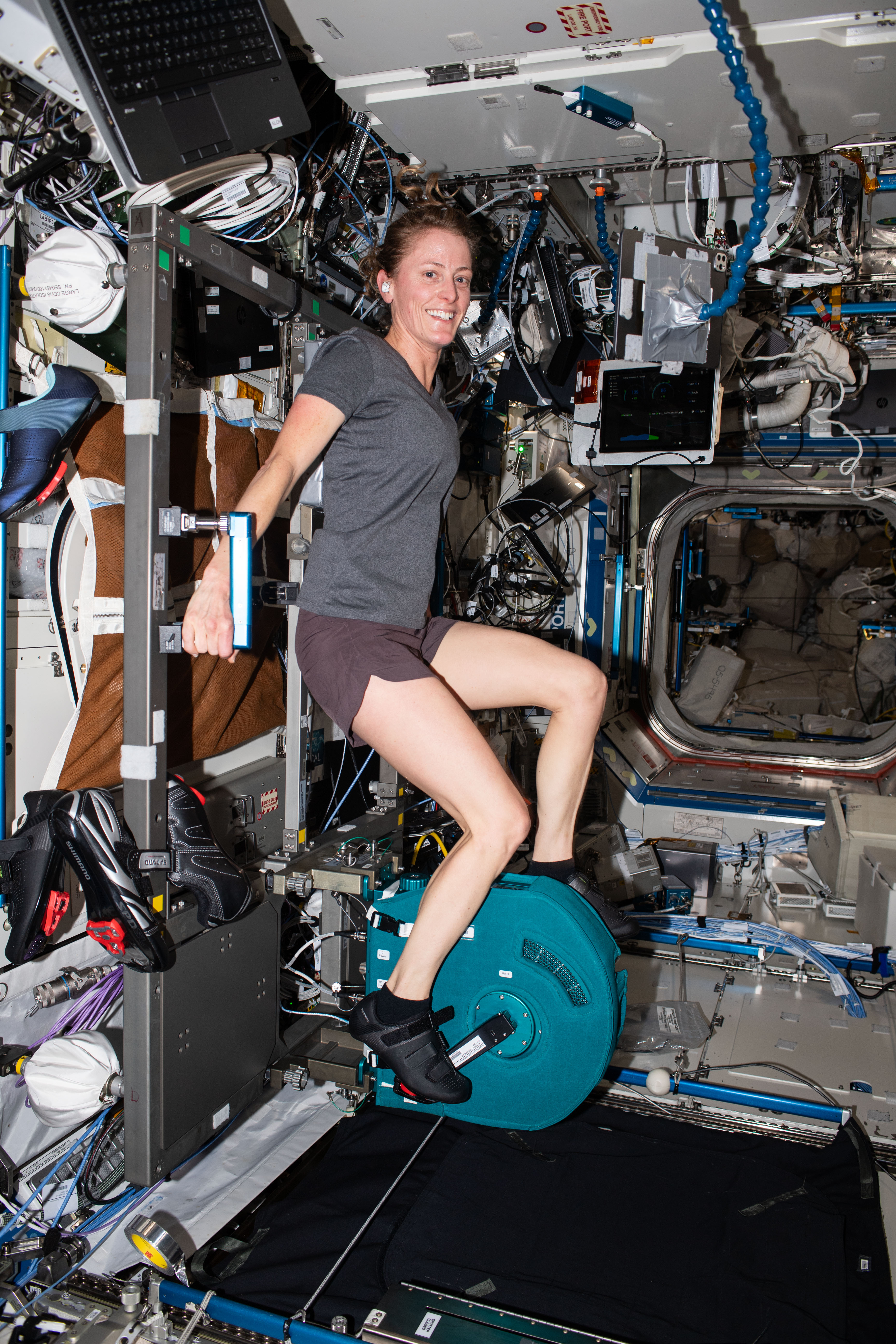
Life After Microgravity: Astronauts Reflect on Post-Flight Recoveryhttps://www.nasa.gov/general/life-after-microgravity-astronauts-reflect-on-post-flight-recovery/Space changes you. It strengthens some muscles, weakens others, shifts fluids within your body, and realigns your sense of balance. NASA’s Human Research Program works to understand—and sometimes even counter—those changes so astronauts can thrive on future deep space missions. Astronauts aboard the International Space Station work out roughly two hours a day to protect […]Sep 9, 2025 10:00 AM

spacenews.com
Sending astronauts to the moon and Mars must be more than a photo ophttps://spacenews.com/sending-astronauts-to-the-moon-and-mars-must-be-more-than-a-photo-op/The only way to create a sustainable program of exploring the moon and Mars with humans, beyond the initial flush of achievement, is by fully integrating science into our planning. We won’t be able to answer the important science questions without human missions, and we can’t fly the human missions without science support from the […] The post Sending astronauts to the moon and Mars must be more than a photo op appeared first on SpaceNews.Sep 8, 2025 1:00 PM

nasa.gov
Jeni Morrison Continues a Family Legacy of Service at NASAhttps://www.nasa.gov/centers-and-facilities/johnson/jeni-morrison-continues-a-family-legacy-of-service-at-nasa/A child of the Space Shuttle Program, Jeni Morrison grew up walking the grounds of NASA’s Johnson Space Center in Houston with her parents and listening to family stories about human spaceflight. Now, with more than 15 years at NASA, Morrison serves as one of Johnson’s Environmental Programs managers. She ensures the center complies with […]Sep 7, 2025 10:32 PM
nasa.gov

Circular Star Trailshttps://www.nasa.gov/image-article/circular-star-trails/On July 26, 2025, NASA astronaut Nichole Ayers took this long-exposure photograph – taken over 31 minutes from a window inside the International Space Station’s Kibo laboratory module – capturing the circular arcs of star trails. In its third decade of continuous human presence, the space station has a far-reaching impact as a microgravity lab […]Sep 2, 2025 2:17 PM

nasa.gov
NASA, Army National Guard Partner on Flight Training for Moon Landinghttps://www.nasa.gov/directorates/esdmd/artemis-campaign-development-division/human-landing-system-program/human-lander-challenge/nasa-army-national-guard-partner-on-flight-training-for-moon-landing/By Corinne BeckingerWhen Artemis astronauts land on the Moon’s South Pole in a commercial human landing system, they will encounter a landscape pockmarked with deep craters, sloped connecting ridges, and harsh lighting conditions. The Moon’s lack of contrast, combined with its rolling terrain, will also pose a challenge, making it difficult for astronauts to overcome […]Aug 18, 2025 4:00 PM