science.nasa.gov
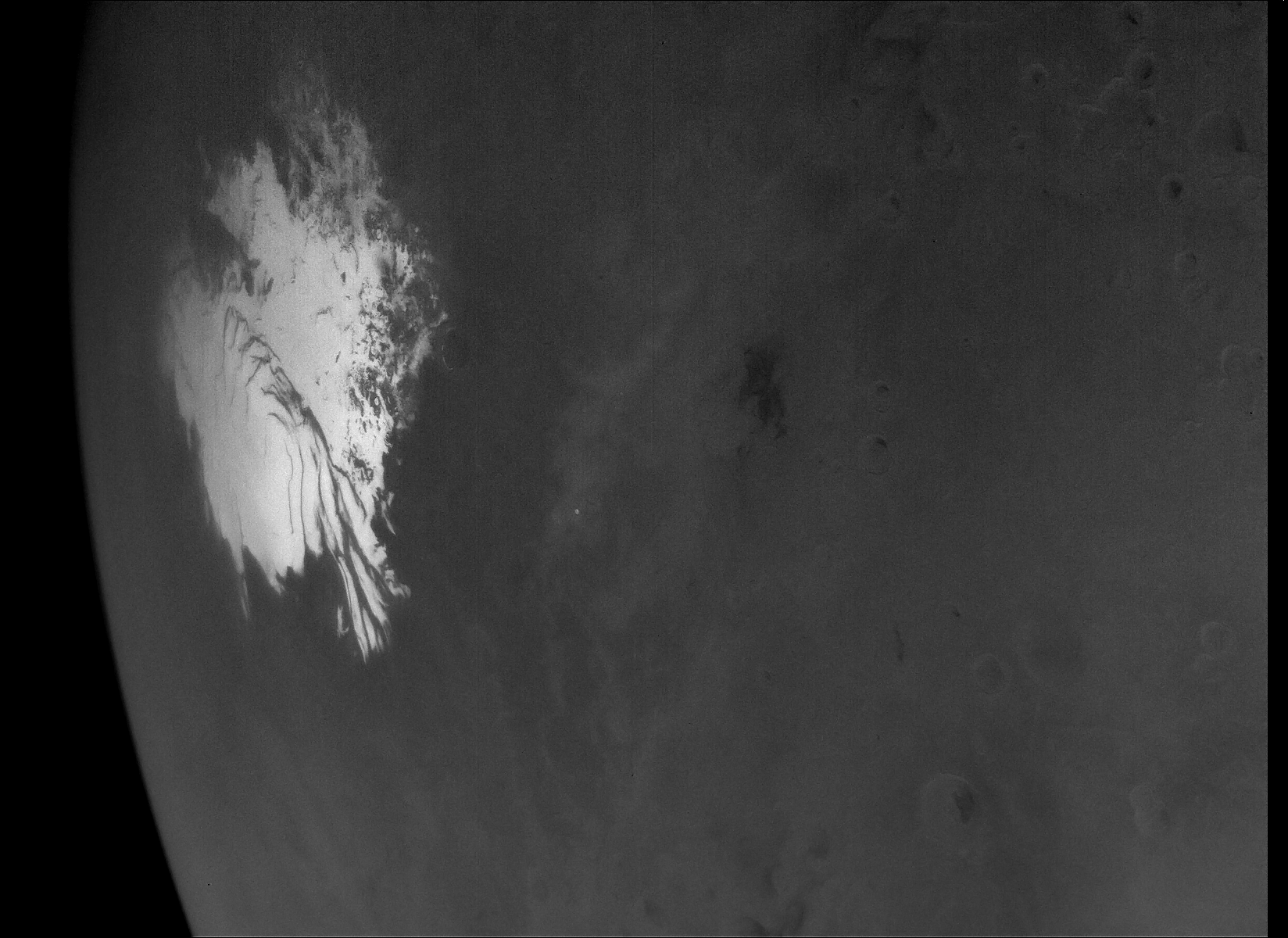
Psyche’s High-Resolution View of Mars’ South Polehttps://science.nasa.gov/photojournal/psyches-high-resolution-view-of-mars-south-pole/Description This is the highest-resolution view of the water ice-rich south polar cap of Mars captured by NASA’s Psyche mission after it made its close approach with the planet for a gravity assist. The image scale is around 0.7 miles per pixel (1.14 kilometers per pixel). The cap itself extends across more than 430 miles […]May 19, 2026 8:38 PM
science.nasa.gov
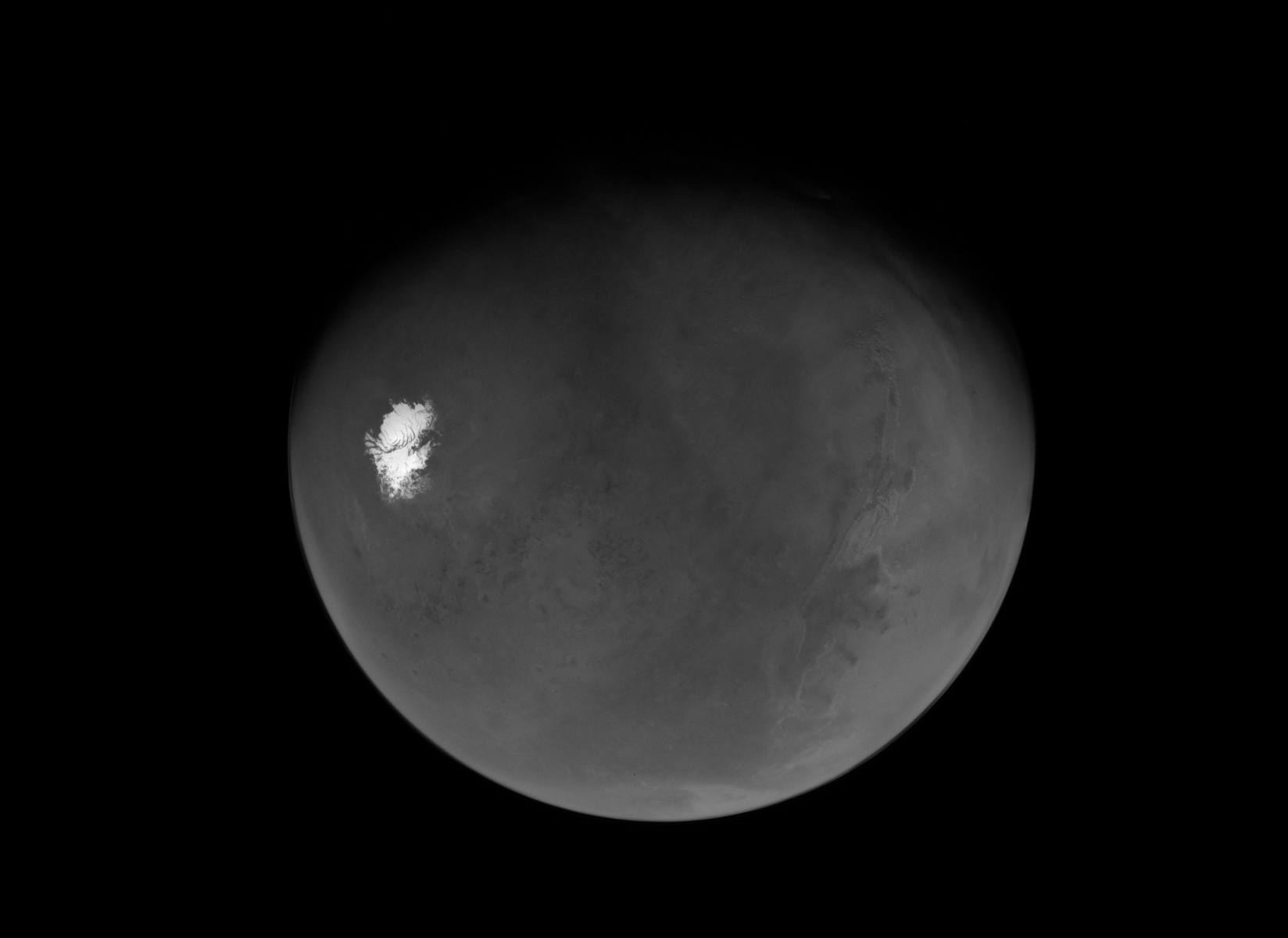
NASA’s Psyche Mission Sees Mars’ South Pole After Flybyhttps://science.nasa.gov/photojournal/nasas-psyche-mission-sees-mars-south-pole-after-flyby/Description This is Psyche’s first view of a nearly “full Mars” seen shortly after the spacecraft’s closest approach to the planet on May 15, 2026. The view extends from the south polar cap northwards to the Valles Marineris canyon system and beyond. With Mars in the rearview mirror, the spacecraft will soon resume use of […]May 19, 2026 8:34 PM
science.nasa.gov
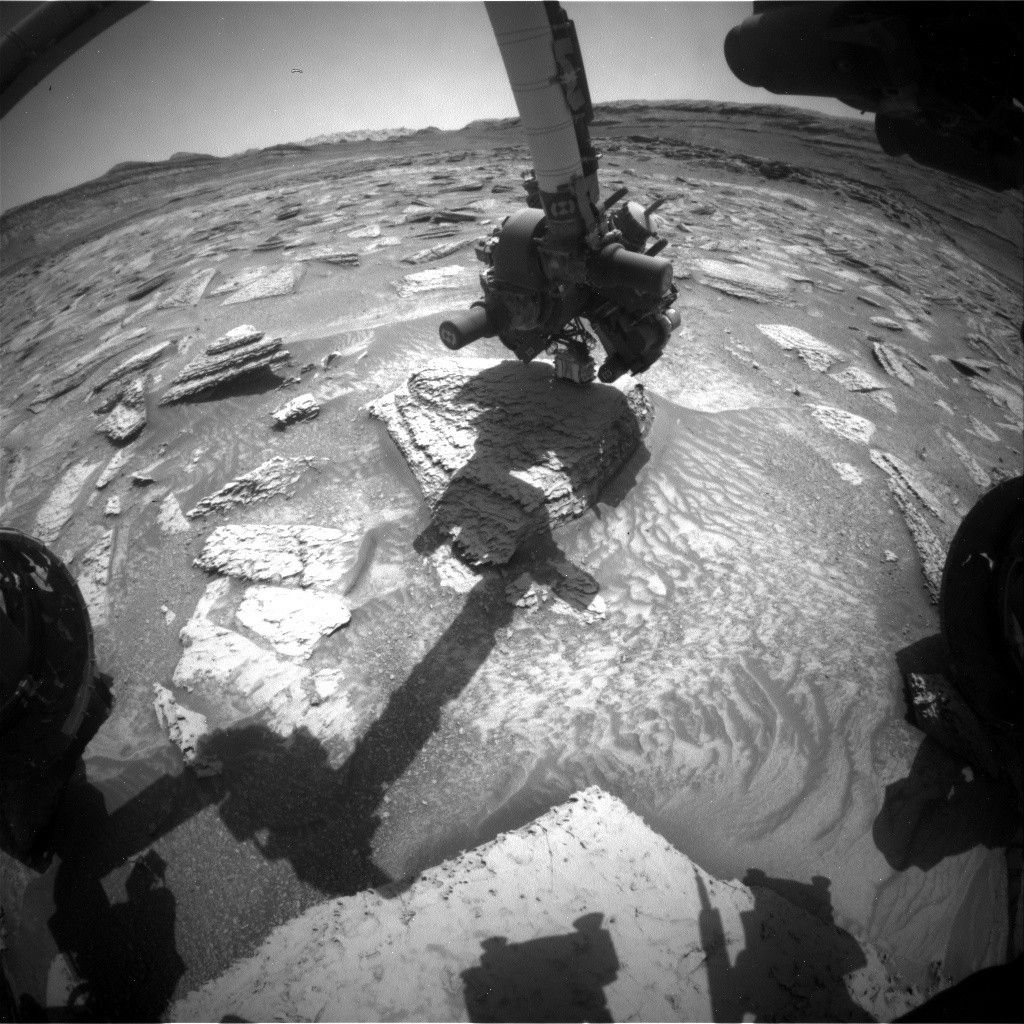
Curiosity Blog, Sols 4893-4899: Drilling at Campo Marte and a Visit From the Psyche Spacecrafthttps://science.nasa.gov/blog/curiosity-blog-sols-4893-4899-drilling-at-campo-marte-and-a-visit-from-the-psyche-spacecraft/Written by Lucy Lim, Planetary Scientist at NASA Goddard Space Flight Center Earth planning date: Friday, May 15, 2026 After freeing the rover’s arm from the “Atacama” block, we are ready to drill again! The new drill target will represent the same geologic stratum as Atacama, which is the layered sulfate unit above the boxwork […]May 19, 2026 12:33 AM

esa.int
Landing sidewayshttps://www.esa.int/ESA_Multimedia/Videos/2026/05/Landing_sidewaysA large boulder, a treacherous crater or a gust of wind could jeopardise a smooth landing on Mars. Before the ExoMars Rosalind Franklin rover mission launches for the Red Planet in 2028, a replica of the landing platform went through worst-case touchdown conditions – and survived.May 18, 2026 7:30 AM
science.nasa.gov
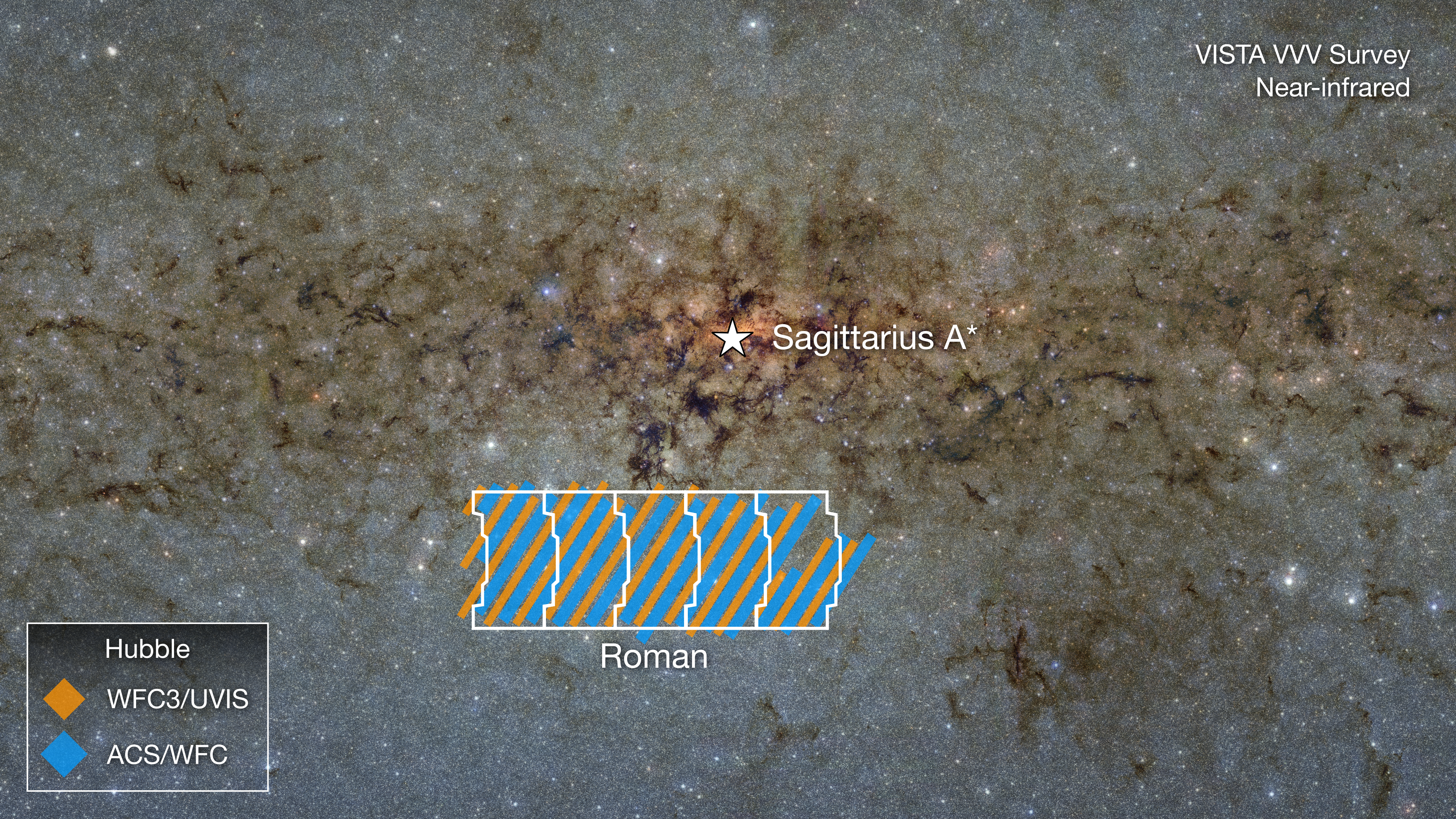
Hubble Survey Sets Up Roman’s Future Look Near Milky Way’s Centerhttps://science.nasa.gov/missions/roman-space-telescope/hubble-survey-sets-up-romans-future-look-near-milky-ways-center/The Milky Way’s galactic bulge, the bulbous region that surrounds the galactic center, contains a dense collection of stars, planets, and other free-floating objects. This region has been studied for decades with numerous ground-based and space-based telescopes, including NASA’s Hubble and James Webb space telescopes. Soon, NASA’s Nancy Grace Roman Space Telescope will be the […]May 11, 2026 2:00 PM

nasa.gov
Meet the Fleet: NASA Armstrong Continues Legacy of Flight Researchhttps://www.nasa.gov/centers-and-facilities/armstrong/meet-the-fleet-nasa-armstrong-continues-legacy-of-flight-research/NASA’s home for experimental flight is welcoming more flyers to its already high-performing fleet as it continues to support science and aeronautics test missions – continuing the legacy of pioneers like Neil Armstrong. NASA’s Armstrong Flight Research Center in Edwards, California, added multiple aircraft this year: two F-15s supersonic jets, a Pilatus PC-12 utility plane, […]May 7, 2026 11:45 PM

nasa.gov
New NASA Technology Mimics Extreme Cold of the Lunar Nighthttps://www.nasa.gov/general/nasa-technology-mimics-extreme-lunar-night/As NASA looks to explore the Moon, Mars, and beyond, researchers must develop materials capable of withstanding the extreme temperatures found in space and on other planets and their moons. In frigid conditions, rubber can shatter like glass, circuit boards may fail, and electrical connections can freeze and fracture. Gaining a deeper understanding of how […]May 6, 2026 2:00 PM
science.nasa.gov
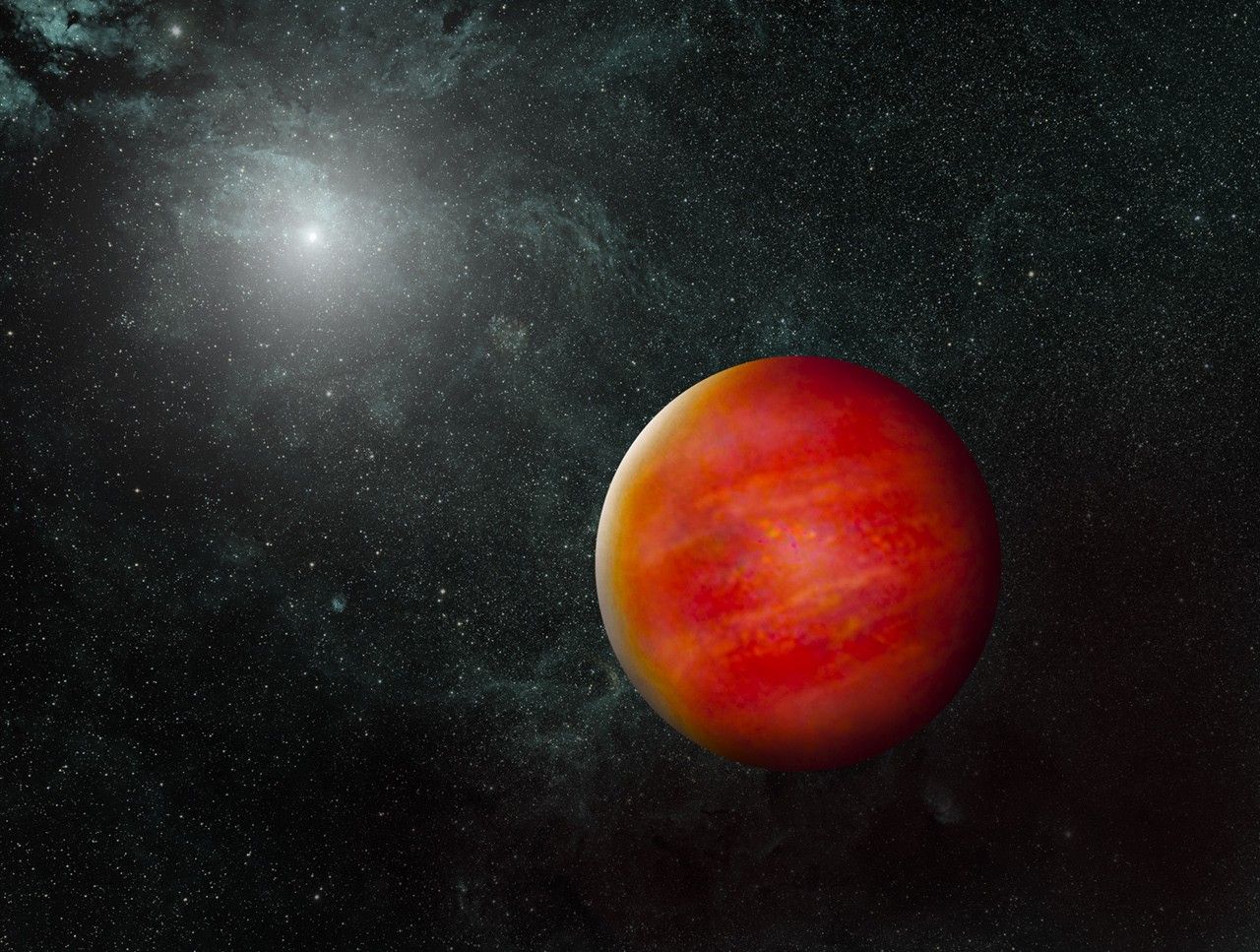
NASA Volunteers Double Known Population of Brown Dwarfshttps://science.nasa.gov/get-involved/citizen-science/nasa-volunteers-double-known-population-of-brown-dwarfs/A new paper from NASA’s Backyard Worlds: Planet 9 project announces that volunteers have essentially doubled the number of known brown dwarfs, with over 3,000 new discoveries made over the past 10 years since the project began. Brown dwarfs are balls of gas the size of Jupiter, less massive than stars. There’s one for every three or four stars near the Sun.May 5, 2026 1:48 PM
nasa.gov
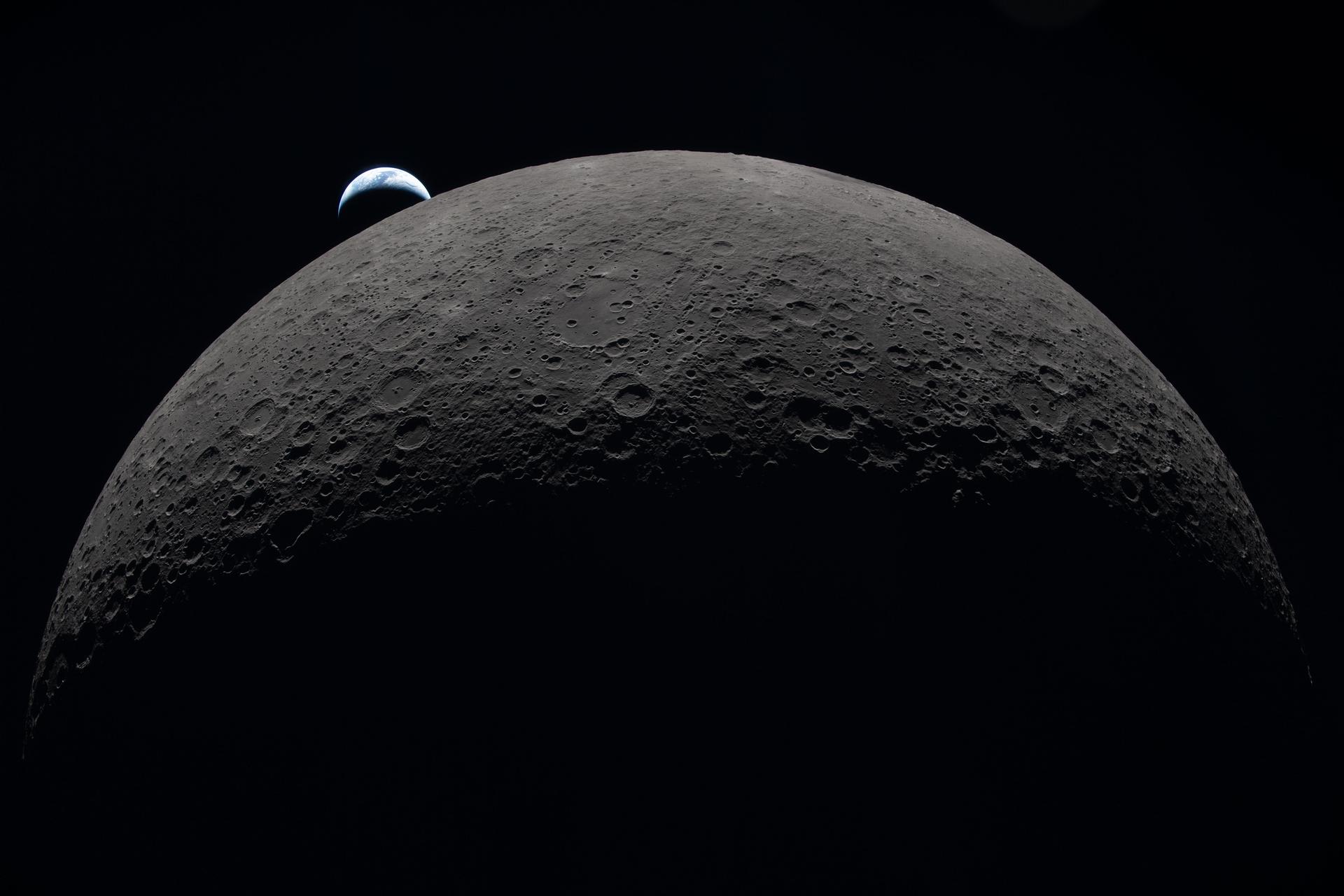
NASA Fosters Development of Lunar Resource-Seeking Technologieshttps://www.nasa.gov/technology/nasa-fosters-development-of-lunar-resource-seeking-technologies/To support long-duration missions to the Moon and Mars, NASA and industry are developing technologies that can extract resources such as hydrogen and helium-3 from lunar soil, known as regolith. This capability, known as in-situ resource utilization (ISRU), allows explorers to use what is already available on other planetary bodies, from water ice to minerals. […]May 4, 2026 8:32 PM
science.nasa.gov
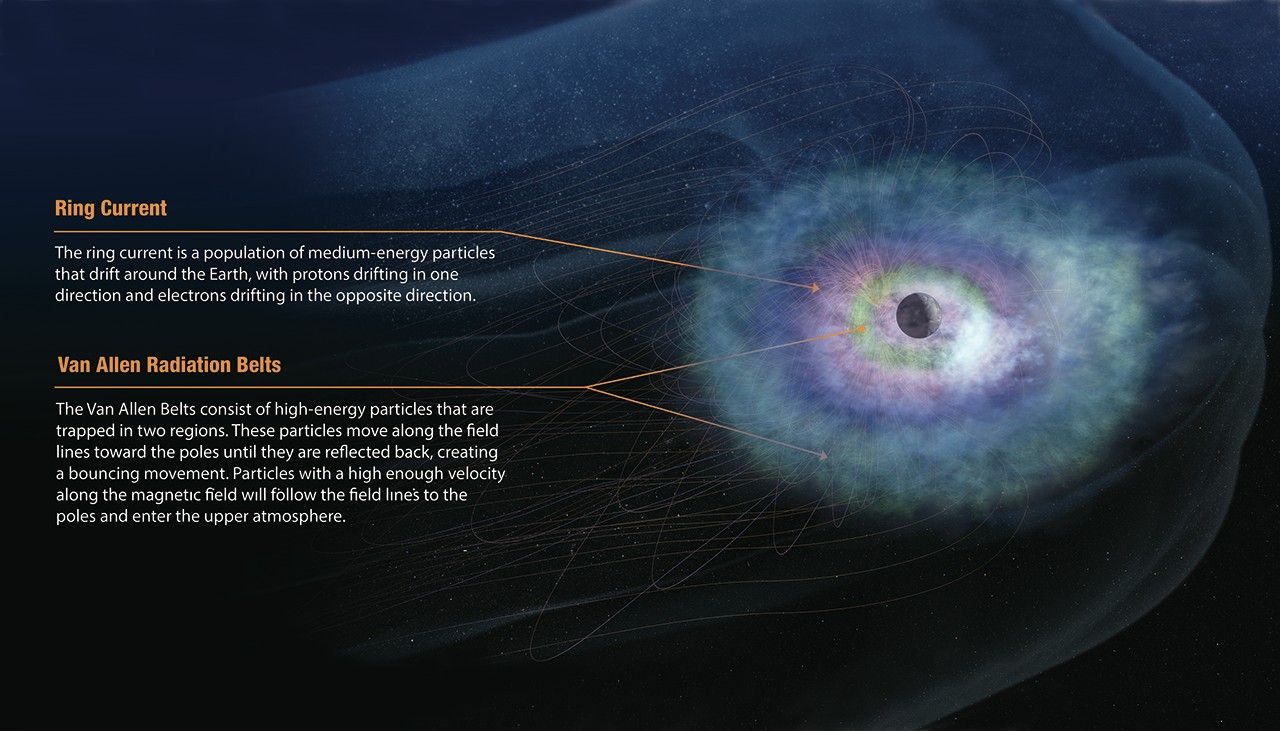
NASA’s STORIE Mission to Tell Tale of Earth’s Ring Currenthttps://science.nasa.gov/science-research/heliophysics/nasas-storie-mission-to-tell-tale-of-earths-ring-current/Earth’s magnetic field is like a powerful trap. It lures electrically charged particles in space, near our planet, and snares them in an invisible, doughnut-shaped pen around Earth known as the ring current. This captive swarm of charged particles plays an important role in how Earth reacts to changing conditions in space, called space weather, which […]May 1, 2026 3:31 PM

science.nasa.gov
Curiosity Blog, Sols 4873-4878: Welcome to the Atacama Drill Targethttps://science.nasa.gov/blog/curiosity-blog-sols-4873-4878-welcome-to-the-atacama-drill-target/Written by Sharon Wilson Purdy, Planetary Geologist at the Smithsonian National Air and Space Museum Earth planning date: Friday, April 24, 2026 There was excitement in the air as the Curiosity Science Team kicked off a drill campaign at the Atacama site to characterize the first Mount Sharp layered-sulfate bedrock since leaving the boxwork terrain. […]Apr 29, 2026 8:38 PM
nasa.gov
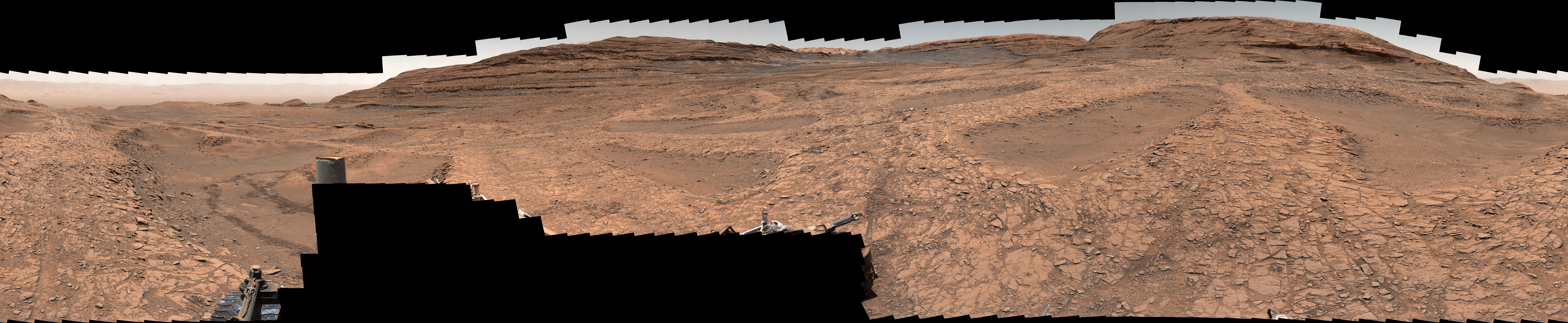
NASA’s Perseverance, Curiosity Panoramas Capture Two Sides of Marshttps://www.nasa.gov/solar-system/planets/mars/nasas-perseverance-curiosity-panoramas-capture-two-sides-of-mars/NASA’s Curiosity and Perseverance rovers have captured two 360-degree landscapes that highlight how the missions are revealing details of the Red Planet’s formation, watery past, and potential for life. Located 2,345 miles (3,775 kilometers) apart from each other on Mars — about the distance from Los Angeles to Washington, D.C. — both rovers are exploring […]Apr 27, 2026 5:02 PM
getcore.me
Show HN: Core – open-source AI butler that clears your backlog without youhttps://www.getcore.me/Hi HN, we're Manik, Manoj and Harshith, and we're building CORE (https://github.com/RedPlanetHQ/core), an open source AI butler that acts and clears out your backlog.Write `[ ] Fix the search auth bug` in a scratchpad. Three minutes later, without you at the keyboard, CORE picks it up, pulls the relevant context from your codebase, drafts a plan in the task description, and spins up a Claude Code session in the background to do the work. You review the output in the task chat and unblock it when it gets stuck.Every AI tool today is reactive. You open a chat, brief the agent, it responds. Before anything moves, you've already done the real work: opened the Sentry error, found the commit, read the Slack thread, grabbed the Linear ticket, and stitched it all together into a prompt. The model isn't the bottleneck. You are.Demo Video: https://www.youtube.com/watch?v=PFk4RJvQg1YCORE removes you from that loop. The interface is a shared scratchpad, think a page you and a colleague both have oApr 23, 2026 3:14 PM

esa.int
Ash creeps across Marshttps://www.esa.int/Science_Exploration/Space_Science/Mars_Express/Ash_creeps_across_MarsNoticeable change on Mars often takes millions of years – but the European Space Agency’s Mars Express has captured a blanket of dark ash creeping across the planet in just decades.Apr 15, 2026 9:00 AM

science.nasa.gov
Curiosity Blog, Sols 4845-4851: Bye-Bye Boxwork, Bye-Byehttps://science.nasa.gov/blog/curiosity-blog-sols-4845-4851-bye-bye-boxwork-bye-bye/Written by Lucy Thompson, APXS Strategic Planner and Planetary Geologist at the University of New Brunswick, Canada Earth planning date: Friday, March 27, 2026 Last weekend’s drive took us just over the southernmost contact of the boxwork terrain with the surrounding layered sulfate unit. This was our third time crossing this contact, providing an excellent […]Apr 13, 2026 7:37 PM
news.ycombinator.com
Looking for Partner to Build Agent Memory (Zig/Erlang)https://news.ycombinator.com/item?id=47356098I’m working on a purpose-built memory platform for autonomous AI agents.Right now, agent memory is stuck between two hohum options: RAG (which loses relational topology) and Graph Databases (which require massive pointer chasing and degrade under heavy recursive reasoning).I'm building an alternative using Vector Symbolic Architecture (Hyperdimensional Computing). By mathematically binding facts, sequences, and trees into fixed-size high-dimensional vectors (D=16,384), we can compress complex graph traversals into O(1) constant-time SIMD operations…and do some quasi brain-like stuff cheaply, that is, without GPUs and LLMs.The design is maturing nicely and strictly bifurcated to respect mechanical sympathy:• The Data Plane (Zig): Pure bare-metal math. 2GB memory-mapped NVMe tiles via io_uring. Facts are superposed into lock-free 8-bit accumulators strictly aligned to 64-byte cache lines. Queries are executed via AVX-512 popcount instructions to calculate Hamming distances at line-rate. Mar 12, 2026 7:46 PM

spacedaily.com
Lunar impacts limit late delivery of Earth ocean waterhttps://www.spacedaily.com/reports/Lunar_impacts_limit_late_delivery_of_Earth_ocean_water_999.htmlWashington DC (SPX) Mar 05, 2026 A long-standing idea in planetary science proposes that water rich meteorites arriving late in Earth history delivered a major share of the planet's water inventory. A new study led by researchers at Universities Space Research Association and the University of New Mexico uses the Moon's surface record to impose strict limits on that scenario, concluding that impacts over the last 4 billion yearMar 5, 2026 9:54 AM

esa.int
World-first gigabit-per-second laser link between aircraft and geostationary satellitehttps://www.esa.int/Applications/Connectivity_and_Secure_Communications/World-first_gigabit-per-second_laser_link_between_aircraft_and_geostationary_satelliteFaster, more secure connections from space could one day make broadband on planes, ships and even remote roads as easy as turning on a light. The European Space Agency (ESA), Airbus Defence and Space, the Netherlands Organisation for Applied Scientific Research (TNO) and German payload manufacturer TESAT (as subcontractor) successfully connected an aircraft to a geostationary satellite using laser communications, bringing people closer to seamless, high‑speed connections in daily life.Feb 26, 2026 9:44 AM

spacedaily.com
Ganymede aurora study links moon and Earth space weatherhttps://www.spacedaily.com/reports/Ganymede_aurora_study_links_moon_and_Earth_space_weather_999.htmlLondon (SDX) Feb 25, 2026 New observations of Jupiter's largest moon, Ganymede, reveal that its auroras share detailed structural similarities with auroras on Earth, suggesting that the physical processes that generate these lights may be universal across different types of celestial bodies. A team from the Laboratory of Atmospheric and Planetary Physics (LPAP) at the University of Liege has used NASA's Juno spacecFeb 25, 2026 10:14 AM

spacedaily.com
Simple collapse may build cosmic snowman worldshttps://www.spacedaily.com/reports/Simple_collapse_may_build_cosmic_snowman_worlds_999.htmlNew York (SDX) Feb 23, 2026 Astronomers have puzzled over why many icy worlds in the distant Kuiper Belt look like snowmen, with two round lobes joined together. New work from Michigan State University points to a surprisingly simple explanation: these so called contact binaries can form directly through gravitational collapse. Far beyond Neptune, the Kuiper Belt holds icy, largely untouched planetesimals that preserFeb 24, 2026 8:42 AM